How Does Electrophoretic Coating Improve Surface Protection and Product Quality?
2026-07-17
In modern manufacturing industries, surface protection and appearance enhancement have become essential factors that influence product performance and customer satisfaction. Electrophoretic Coating is an advanced finishing technology widely used in automotive parts, metal components, electrical equipment, household appliances, and industrial machinery because of its excellent corrosion resistance, uniform coverage, and environmental advantages. Compared with traditional coating methods, electrophoretic coating can provide consistent protection even on complex-shaped parts, helping manufacturers achieve higher quality standards and longer product service life.
With the continuous development of intelligent manufacturing, companies are increasingly seeking efficient and reliable coating solutions. Jiangsu Qingguo Intelligent Technology Co., Ltd. focuses on providing advanced coating equipment and intelligent manufacturing solutions, helping customers improve production efficiency and achieve stable coating results through innovative electrophoretic coating technologies.
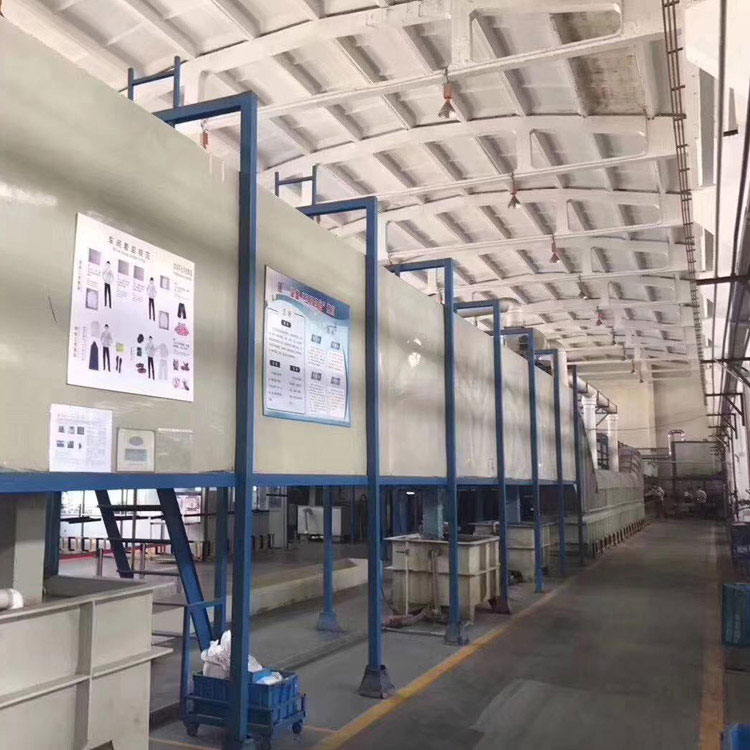
What Is Electrophoretic Coating?
Electrophoretic Coating, also known as e-coating or electrocoating, is a surface finishing process that uses electrical current to deposit paint particles onto conductive metal surfaces. During the process, the workpiece is immersed in a coating bath containing water-based paint particles. When an electric field is applied, charged coating particles move toward the metal surface and form a smooth, protective coating layer.
Unlike conventional spray coating methods, electrophoretic coating allows the coating material to reach recessed areas, edges, and complicated structures, ensuring more complete protection.
The basic electrophoretic coating process includes:
| Process Step | Description |
|---|---|
| Surface Preparation | Cleaning and treating the metal surface to remove oil, dust, and impurities |
| Electrophoresis Process | Applying an electric current to attract coating particles onto the workpiece |
| Rinsing | Removing excess paint particles and improving coating uniformity |
| Curing | Heating the coated parts to create a strong and durable protective film |
Why Is Electrophoretic Coating Important for Modern Manufacturing?
Surface corrosion, uneven coating thickness, and poor adhesion are common challenges faced by manufacturers. Electrophoretic coating effectively solves these problems by creating a highly consistent protective layer.
The importance of electrophoretic coating can be seen in several key areas:
1. Superior Corrosion Resistance
One of the biggest advantages of electrophoretic coating is its excellent anti-corrosion performance. The coating layer acts as a protective barrier that prevents moisture, chemicals, and environmental factors from damaging metal surfaces.
This makes it particularly suitable for:
- Automotive body parts
- Metal frames
- Industrial equipment
- Electrical cabinets
- Hardware components
Products treated with high-quality electrophoretic coating can maintain their appearance and structural strength for a longer period, reducing maintenance costs.
2. Uniform Coating Coverage
Traditional coating methods may struggle with complex structures, corners, and internal surfaces. Electrophoretic coating uses electrical attraction to distribute paint particles evenly, ensuring complete coverage.
The advantages include:
- Consistent coating thickness
- Smooth surface appearance
- Reduced coating defects
- Better edge protection
This uniformity is especially valuable for manufacturers producing precision components with strict quality requirements.
3. Environmentally Friendly Production
Compared with solvent-based coating technologies, electrophoretic coating uses water-based coatings with lower volatile organic compound (VOC) emissions. This makes it a more sustainable choice for modern factories.
Environmental benefits include:
- Lower air pollution
- Reduced waste generation
- Higher coating utilization rate
- Safer working conditions
As global industries move toward greener manufacturing, electrophoretic coating has become an important technology for sustainable production.
How Does Electrophoretic Coating Work?
The working principle of electrophoretic coating is based on electrochemical movement. The coating system contains positively or negatively charged paint particles suspended in a liquid solution.
When electrical energy is applied:
- Charged paint particles move toward the opposite electrode.
- The particles accumulate on the surface of the metal workpiece.
- A continuous coating film is formed.
- The coated product is heated to complete curing and strengthen the coating.
This controlled process ensures high coating efficiency and stable quality.
Electrophoretic Coating vs Traditional Coating Methods
Different coating technologies have different advantages. Understanding the differences helps manufacturers select the most suitable solution.
| Feature | Electrophoretic Coating | Traditional Spray Coating |
|---|---|---|
| Coating Uniformity | Excellent, even on complex surfaces | May vary depending on operator skill |
| Material Utilization | High efficiency with less waste | More overspray and material loss |
| Corrosion Protection | Strong protective performance | Depends on coating quality |
| Environmental Impact | Lower VOC emissions | Usually higher emissions |
| Automation Capability | Highly suitable for automated production lines | Requires more manual control |
From this comparison, electrophoretic coating provides significant advantages for industries requiring durability, efficiency, and consistent quality.
What Are the Main Applications of Electrophoretic Coating?
Electrophoretic coating has become widely used across multiple industries because of its reliable performance.
Automotive Industry
The automotive sector is one of the largest users of electrophoretic coating. Vehicle bodies and components require strong corrosion resistance to withstand different weather conditions.
Common applications include:
- Car body frames
- Chassis components
- Engine parts
- Metal brackets
Industrial Equipment
Industrial machinery often operates in harsh environments. Electrophoretic coating helps protect equipment from rust, chemicals, and mechanical wear.
Applications include:
- Manufacturing equipment
- Machine housings
- Steel structures
- Control cabinets
Electrical and Electronic Products
Electrical equipment requires both protection and attractive appearance. Electrophoretic coating provides a smooth finish while protecting metal surfaces.
Typical products include:
- Electrical enclosures
- Metal panels
- Equipment cabinets
What Effects Can High-Quality Electrophoretic Coating Bring?
Using advanced electrophoretic coating technology can provide measurable improvements in manufacturing performance.
The main effects include:
- Longer product lifespan: Protective coating reduces corrosion and surface damage.
- Improved appearance: Smooth and consistent coating enhances product quality.
- Lower production costs: High material utilization reduces waste.
- Higher efficiency: Automated coating systems improve production speed.
- Better quality control: Stable processes reduce defects and rework.
For manufacturers, these benefits directly contribute to stronger market competitiveness.
How Does Jiangsu Qingguo Intelligent Technology Co., Ltd. Support Electrophoretic Coating Solutions?
Jiangsu Qingguo Intelligent Technology Co., Ltd. provides professional intelligent manufacturing solutions designed to meet the growing demands of modern industrial production. With advanced technology and manufacturing expertise, the company focuses on developing efficient coating systems that help customers achieve reliable and consistent coating performance.
The company's electrophoretic coating solutions are designed with attention to:
- Intelligent automation control
- Stable coating performance
- Efficient production processes
- Energy-saving operation
- Customized industrial requirements
By combining technology innovation with practical manufacturing experience, Jiangsu Qingguo Intelligent Technology Co., Ltd. helps customers improve production efficiency and maintain high product quality.
Key Factors to Consider When Choosing an Electrophoretic Coating Solution
Before investing in electrophoretic coating equipment, manufacturers should evaluate several important factors:
| Consideration | Importance |
|---|---|
| Equipment Stability | Ensures continuous and reliable production |
| Automation Level | Improves efficiency and reduces labor requirements |
| Coating Quality | Determines product durability and appearance |
| Energy Consumption | Influences long-term operating costs |
| Technical Support | Helps maintain stable system performance |
Selecting the right electrophoretic coating solution can significantly improve manufacturing results and create long-term value.
Conclusion
Electrophoretic Coating has become a vital surface treatment technology due to its excellent corrosion resistance, uniform coating performance, environmental benefits, and wide industrial applications. From automotive manufacturing to industrial equipment production, this technology provides manufacturers with a reliable way to improve product durability and appearance.
With advanced intelligent coating solutions and professional technical capabilities, Jiangsu Qingguo Intelligent Technology Co., Ltd. is committed to helping global customers achieve efficient and high-quality manufacturing processes. For more information about advanced electrophoretic coating solutions and customized coating systems, please contact us today to explore the best solution for your production needs.