Toilet Paper Rewinding Machine Company Red Flags You Should Never Ignore
2026-09-24
When you're comparing toilet paper rewinding machine suppliers, it's easy to get distracted by glossy brochures and aggressive discounts. But the companies that cause the most headaches share a handful of warning signs that almost never show up in the spec sheet. Missing certifications, vague answers about after-sales support, or a factory that suddenly can't do a live video tour—these aren't minor quirks. They're the red flags that separate a reliable partner from an expensive mistake. At DAXIN, we've spent years helping buyers spot these issues before they sign anything. Here's what to watch for.
When the Spec Sheet Avoids Actual Tolerances
A dimension listed as 25 mm means little until you know whether the part can be 24.8 mm on a bad day, or if it must sit within a few microns. Yet many spec sheets stop at the nominal value, leaving tolerance fields blank or burying them under a vague phrase like "standard machining tolerances." That omission quietly shifts the burden onto the buyer, who only discovers the true range of variation after parts arrive and don't fit the mating component.
Sometimes the silence is strategic. A manufacturer with inconsistent tooling or loose process control may avoid committing to tight numbers because doing so would expose how wide their actual spread really is. Instead, they lean on the assumption that most customers won't ask, or that "good enough" will be accepted. The result is a spec sheet that looks complete at a glance but falls apart the moment you try to use it for incoming inspection or tolerance stack-up analysis.
When tolerances are finally coaxed out of a supplier, they often turn out to be far wider than the application can tolerate. You might learn that a hole position can drift by half a millimeter, or that a flatness callout is only "visual." By then, the design is locked, the order is placed, and the real engineering work begins after delivery. The lesson is simple: if a spec sheet refuses to name a number, assume the number is not in your favor.
No Factory Tour, No Proof
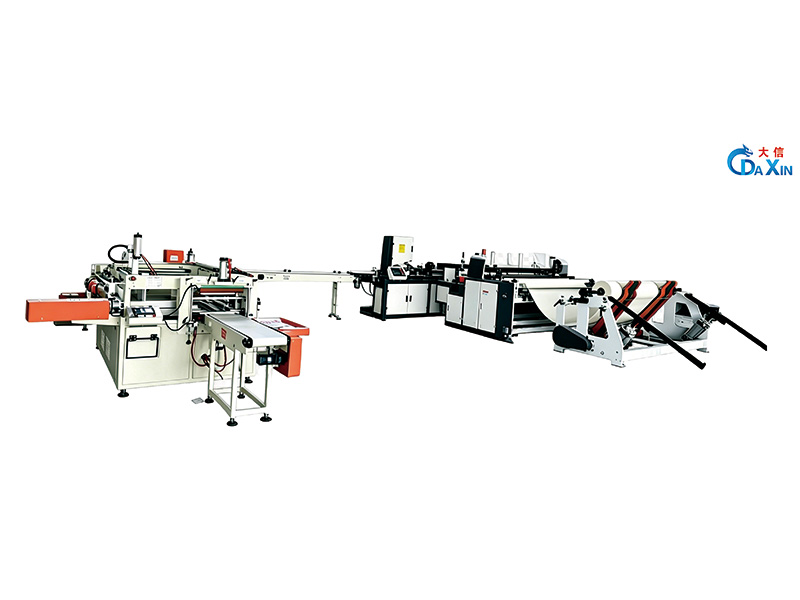
A glossy brochure and a set of polished samples won't tell you if the welding lines are crooked or if workers skip the torque checks. Walking the floor yourself is the only way to see whether the equipment matches the spec sheet claims, whether the tidy assembly area is a daily habit or a last-minute cleanup for your visit, and whether the QC station actually has calibrated gauges instead of decorative ones.
Without a factory tour, you're left guessing about hidden subcontracting. A supplier can show you photos of a clean, modern facility while shipping boxes from a cramped workshop two blocks away. You also miss the unscripted details: how materials are stored, whether rejected parts are segregated, and how the line handles rush orders without cutting corners.
More than checking boxes, a walk-through reveals the management's real priorities. You'll notice if the floor supervisor knows each operator's name, if maintenance logs are filled in with actual dates, or if the "inspection area" is just a folding table with a flashlight. Those small observations matter more than any certificate, because they predict how your order will be treated six months from now.
A Price That Can't Cover the Steel Alone
When you see a quote that sits below the raw cost of the steel alone, something fundamental is being left out of the calculation. Steel prices fluctuate daily on global exchanges, and any fabricator who claims otherwise is not looking at the same numbers you are. A legitimate bid has to account for the metal itself, the energy to cut and weld it, the labor hours on the floor, and the certification paperwork that proves it all meets code. If the number on the page can't even buy the beams and plates required for the job, then either the material is not actually steel, or the bidder has no intention of delivering what was promised.
The temptation to chase the lowest number is understandable, especially when budgets are tight and every dollar feels like it matters. But steel doesn't negotiate its price down to make a project look attractive. What usually happens instead is that corners get shaved somewhere less visible: thinner wall sections than specified, recycled scrap passed off as prime stock, or welds that never get inspected. You won't see those differences on day one. They show up six months later when the structure starts groaning under a load it was never built to carry. Then the real bill arrives, and it's never covered by the original invoice.
The smart move is to ask the uncomfortable question before signing anything: how is this price possible? A reputable shop will walk you through the material takeoff, show you the current steel market rate, and explain where their margin comes from without flinching. If that conversation turns vague or defensive, you have your answer. A price that can't cover the steel alone isn't a bargain. It's a warning written in numbers, and the only person who ends up paying for it is the one holding the contract.
Support That Vanishes After the Invoice Is Paid
You get attentive replies while the contract is unsigned, but once payment lands, the tone changes. Emails go unopened, calls roll to voicemail, and the dedicated account manager suddenly becomes impossible to reach. The support that was promised as a core part of the deal melts away without explanation.
This pattern usually comes from a sales engine that rewards closing deals more than keeping clients. Support tickets get deprioritized because existing customers are seen as already converted, while new prospects still hold revenue potential. The client, meanwhile, is left troubleshooting alone and wondering if the original promises were ever real.
When support disappears after payment, the best response is to stop waiting and start documenting. Keep a record of unanswered messages, missed deadlines, and any unmet service commitments. That evidence can be used to demand a refund, escalate the issue, or push for the level of care you were originally sold.
A Company History That Changes Depending on the Sales Rep
Ask three different sales reps how the company got started and you'll hear three different stories. One talks about the founder's garage and a maxed-out credit card. Another describes a deliberate pivot away from a failing agency model. A third skips the founding altogether and starts with the 2019 rebrand, as if the first eight years never happened.
That kind of drift rarely comes from laziness. Reps tweak the narrative to match what they think a prospect wants to hear—emphasizing scrappiness for a startup buyer, stability for an enterprise, innovation for a tech-savvy account. But the accumulated effect is corrosive. Customers swap notes, new hires absorb whichever version their trainer preferred, and the company's actual history becomes a rumor nobody can confirm.
Eventually, leadership notices the confusion and tries to standardize the story. Yet by then, the inconsistent versions have already shaped how the market sees the brand. What should be a single, well-worn narrative becomes a liability that takes years to untangle.
Warranty Promises That Never Appear in Writing
The most reassuring warranty commitments often live in the spaces between formal clauses — the offhand comment from a support rep about "we'll take care of it," the regional service manager's handshake that parts get replaced even after the fine print expires. These unwritten promises carry a different weight because they feel personal, almost like a favor rather than an obligation. Yet they also create a fragile trust: the customer walks away believing a specific coverage exists, but the only record is a memory and maybe a vague note in a CRM system. When that same issue resurfaces months later, the person who made the promise may have moved on, and the company defaults to the written terms, leaving the customer feeling quietly betrayed by a warranty that was never actually there.
What makes these invisible promises so common is the gap between a company's official policy and its frontline discretion. A technician might tell a frustrated user that a known software glitch will be patched under warranty, even though the written terms exclude software defects after ninety days. A phone agent might promise a replacement unit for a hairline crack, interpreting "physical damage" loosely in the moment to calm the caller. These statements aren't lies — they're improvisations born from empathy, pressure to close a ticket, or a genuine misunderstanding of the policy. But since none of it appears in writing, the customer has no leverage when the promise evaporates. The warranty they thought they had was a ghost, conjured by a well-meaning employee who had no authority to create it.
The smartest consumers learn to spot these phantom warranties and respond with a simple trick: ask for the promise in writing before ending the conversation. A quick follow-up email that says "just to confirm our discussion, you mentioned the motherboard replacement would be covered even though the unit is fourteen months old" turns an unwritten commitment into a documented one. Most companies, to their credit, will honor such confirmations if they come from an identifiable employee. But when they don't, the customer discovers the uncomfortable truth that a warranty's real value isn't in the words spoken over the phone or across a counter — it's in the paper trail that survives after the conversation fades. Anything less is just a promise wearing a warranty's clothes.
FAQ
A quote that's suspiciously low rarely reflects genuine efficiency. It usually means they've cut corners on core components like the gearbox, PLC, or blade materials. You might save money upfront, but within months you'll deal with frequent jams, uneven rewinding tension, and higher waste rates. Ask the company to itemize exactly which parts are included and where they source them. If they can't provide a transparent bill of materials, walk away. Reliable manufacturers might not be the cheapest, but they'll openly explain why their motors, sensors, and rollers cost more.
Look for discrepancies between their printed brochure and a live demonstration. If a machine is marketed as running 300 meters per minute but the demo only shows 180, ask why. Also check whether they mention overall equipment effectiveness, not just maximum speed. A red flag is when they avoid discussing startup/shutdown loss or tension adjustments at high speed. Honest companies will provide test reports with actual running times, stop reasons, and output per shift, not just a theoretical number.
In this industry, word of mouth still matters. If a company claims to have hundreds of installations but won't connect you with even two or three past buyers, something's off. Maybe their machines underperform after the warranty period, or their support team disappears once payment clears. Ask for references from your own region, not just overseas. Then call those references and ask about downtime, spare part delivery times, and whether the company honored its commitments. No references is a major red flag.
Pay attention to how they handle your technical questions during the sales process. If it takes them days to answer a simple question about blade replacement or PLC programming, that's a preview of future support. Also check if they have a dedicated service team or just a salesperson who 'knows someone.' Red flags include vague response-time promises, no local partner or distributor in your country, and no training plan for your operators. After-sales isn't just a department; it's a mindset that shows up early.
Many buyers only look at the warranty duration, like 12 months, but ignore what's actually covered. A red flag is a warranty that excludes wear parts like blades, rubber rollers, and belts without clear replacement pricing. Also watch for clauses that require you to ship broken parts back at your own cost or wait for 'expert inspection' that can drag on. Ask for a written list of covered components, the exact process for filing a claim, and the average turnaround time. If they won't put it in writing, assume the warranty is mostly marketing.
A factory visit can reveal more than any brochure. Look at how they organize their assembly line. Are components stored in a chaotic way? Do they test every machine under load before shipping, or just power it on briefly? Ask to see the test report for a machine similar to yours. If workers can't explain quality control steps or if you spot reworked parts on 'new' machines, that's a problem. Also notice how they treat other customers—are there machines waiting for repairs that look abandoned? That tells you how they handle warranty claims.
No two converting lines are identical. You might need to handle different paper grades, embossing patterns, or roll diameters. If a company only offers one-size-fits-all machines and won't discuss modifications like servo-driven unwinds or quick-change perforation heads, they're probably not a true manufacturer but a trading company. A good supplier will ask about your raw paper specifications, target output, and end-market requirements before quoting. If they don't ask those questions, they're selling you a box, not a production solution.
Watch for sudden shifts in who answers your emails. If you start with an engineer and then get handed off to a junior salesperson, technical details may get lost. Also beware of companies that overpromise during negotiations but go silent when you ask for written confirmations. Consistent, documented communication is key in machinery purchases. If a company can't maintain a single point of contact or takes weeks to update you on order status, imagine what happens when you need urgent spare parts. That inconsistency is a red flag.
Conclusion
When you're in the market for a toilet paper rewinding machine, a handful of quiet signals can save you from a costly mistake. Start with the technical details. If the spec sheet talks in vague promises but never pins down actual tolerances—like shaft runout, cutting accuracy, or tension control ranges—you're not looking at engineering, you're looking at marketing. Honest manufacturers aren't afraid of numbers. A missing factory tour is another classic tell. Any serious company should welcome you to see the assembly floor, watch a machine run, and meet the people who build it. If they dodge visits or only offer heavily edited videos, assume there's something to hide. Then there's the price. When a quote can't even cover the cost of the steel, bearings, and motors inside the machine, you're not getting a bargain—you're getting a machine that will cut corners somewhere you'll only discover after installation.
The red flags don't stop at the sale. Pay attention to how they treat you after the invoice is paid. Support that vanishes, calls that go unanswered for days, and a sudden lack of spare parts are all signs of a company that was never built for long-term partnership. Another warning sign is a shifting company history. If one sales rep says they've been manufacturing for twenty years, another says fifteen, and the website says something else entirely, you're dealing with a reseller or a shell, not a real factory. Finally, never accept warranty promises that don't appear in writing. A verbal guarantee means nothing when a motor burns out in month two. Get every performance claim, every replacement term, every service commitment on paper with a signature. These red flags aren't paranoia—they're the difference between a production line that runs reliably and a six-figure lesson in due diligence.
Contact Us
Contact Person: Sam Xie
Email: [email protected]
Tel/WhatsApp: 86-18938538530
Website: https://www.daxin321.com/