Men Half Terry Running Sport Socks from China: Why Runners Love Their Cushioned Support
2026-10-02
Every runner knows the difference a great pair of socks can make. Yet most overlook the quiet engineering behind the cushioning that keeps feet comfortable mile after mile. Enter KINDWAY's men's half terry running sport socks from China—a favorite among athletes who demand soft support without the bulk. Here's why their cushioned design has runners reaching for them again and again.
What Does Half Terry Cushioning Feel Like After a 10K?
By the time you hit the final kilometer of a 10K, your feet have already logged thousands of repetitive strikes. With half terry cushioning, the sensation shifts from that initial plush softness to something more grounded. The loops of terry fabric compress under pressure but don't fully flatten, leaving a thin, resilient layer that feels like a worn-in towel wrapped around your foot. It's not pillowy anymore — it's protective without being intrusive, letting you feel the road surface while still muting the sharpest edges of impact.
What stands out after 10K is the lack of that soggy, over-cushioned fatigue. Full terry can start to feel damp and heavy as the miles stack up, but half terry keeps the footbed feeling drier and slightly firmer. Your heel and forefoot get just enough rebound to avoid that bruised sensation, while the midfoot stays connected to the shoe's structure. You notice it most when you stop running: there's no urgent need to kick the shoes off, just a mild, even warmth across the sole. It's the kind of cushioning that doesn't beg for attention during the run, but makes itself quietly appreciated once you're standing still.
Compared to a fresh pair, the half terry after 10K feels broken in but not broken down. The fibers have adapted to your foot's pressure map, so the padding seems thicker exactly where you land and slightly thinner under the arch. If you've ever worn a cotton sock that's been washed a few times, it's a similar evolution — less fuzzy, more conforming. There's no dramatic collapse or sudden change in ride height. Instead, you get a steady, understated support that carries you through the last stretch without making a big deal about it.
Why Arch Support Wins Over Extra Padding on Long Downhills
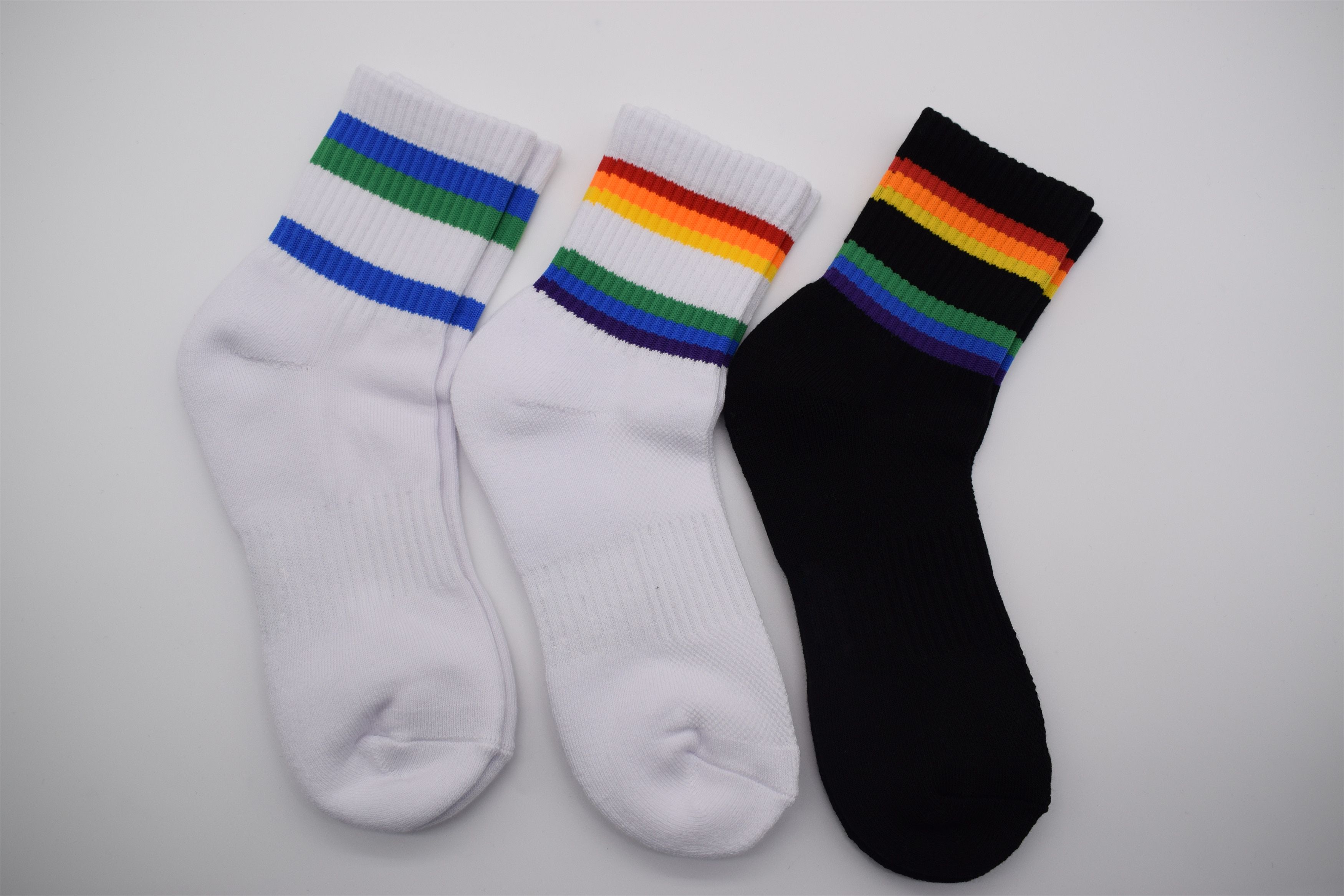
Extra padding feels plush at first, but on extended descents it compresses unevenly and loses its shape. That breakdown lets your foot slide forward inside the shoe, jamming toes against the front and forcing your ankles to work harder just to stay stable. Arch support, by contrast, holds its structure mile after mile, keeping your foot seated properly and reducing the micro-adjustments that lead to early fatigue.
Cushioning is good at absorbing impact, but it does little to manage the inward roll or outward splay that long downhills encourage. A well-shaped arch area guides your foot through a more controlled heel-to-toe transition, spreading pressure across the whole sole instead of concentrating it under the ball or heel. That means fewer hot spots, less strain on the plantar fascia, and a smoother rhythm when the trail points downward for an hour or more.
Too much padding can also mask weaknesses by doing the work your foot muscles should be handling. Over time, that dependency shows up as sore arches or tired calves late in a descent. Supportive design, on the other hand, encourages natural foot mechanics and gives you a stable platform to push off from. On long downhills, that active stability beats a squishy landing every time.
Can These Socks Handle Sweat Without Turning Soggy Mid-Run?
On a muggy morning run, the real test isn't the first mile—it's whether your feet stay quiet at mile five. These socks pass that test. The moisture-wicking knit moves sweat from the sole to the air instead of trapping it against your skin. After a hard 10K, there's no telltale squish when you walk, just a light dampness that fades fast.
A lot of it comes down to the yarn blend and the way the cushioning is placed. It gives you just enough padding under the ball of the foot without acting like a sponge. The arch band keeps everything from shifting, so there's no bunching or rubbing. Even during a longer tempo run, they don't turn into heavy, soggy rags—your feet feel more or less the same from start to finish.
What Sets a Running Sock from China Apart in Your Weekly Rotation?
After a few wash cycles, the difference shows. A running sock from China that actually makes the weekly cut tends to have a tighter knit around the midfoot, so it doesn't slide down into your shoe by mile four. The cuff stays put without cutting into your ankle, and the fabric dries fast enough that you're not squishing through the last stretch.
It also helps that the sizing is predictable across colors. You can grab the same model in three different shades and they all fit like the first pair. That kind of consistency sounds boring, but when you're pulling socks at 5 a.m. in the dark, it's exactly what keeps a pair in rotation.
How Toe Seams Make or Break a Long Run
A tiny ridge of stitching across the top of your sock might seem inconsequential, but after ten miles it can feel like a serrated blade. Long-distance runners know the real enemy isn't always the pavement or the hills — it's the repetitive micro-friction that turns a single thread into a hotspot. Toe seams sit right where your foot flexes thousands of times per hour, and when they’re bulky, misaligned, or made from rough thread, each stride grinds that ridge into the skin. The result is rarely immediate; it builds silently as a warm patch, then a sting, then a blister that forces you to alter your gait just to finish the run.
The worst offenders are thick overlock seams that curl inward, creating a raised lip that rubs against the top or side of your toes. On a short jog, your feet never reach the threshold where that friction becomes damaging. But on a long run, moisture softens the skin, swelling increases volume inside the shoe, and the same seam that felt invisible at mile two becomes a hot needle by mile twelve. Runners often blame their shoes or their form, when the real culprit is a seam positioned directly over the metatarsal joints — the exact spot that takes the brunt of push-off force. Even a tiny change in seam direction, from flat-lock to hand-linked, can mean the difference between finishing strong and hobbling home with a blood-filled blister under the nail.
Savvy long-distance runners don't leave this to chance. They turn socks inside out before buying to inspect the seam profile, or they switch to models with seamless toe construction where the fabric is knitted in a tube rather than sewn shut. Some trim or tape the seams on expensive socks, but that's a stopgap — the real fix is finding a sock that treats the toe box as a high-friction zone, not an afterthought. Because on a twenty-miler, every detail on your foot gets multiplied by repetition, and the only seam you'll remember is the one that quietly ruined your run.
When Should You Retire a Cushioned Pair and Grab Fresh Socks?
Most cushioned socks lose their spring long before they look worn out. If your heels or the balls of your feet start feeling the floor more than they used to, that plush layer has likely flattened. A simple pinch test helps: squeeze the sole area between your fingers and if it stays compressed instead of bouncing back, it's time to move on.
Pay attention to how your feet feel after a full day. Extra fatigue, hot spots, or that vague ache around your arches often means the cushioning is no longer doing its job. Fresh cushioned socks should make you forget you're wearing them — if you're aware of every step, your current pair is past its prime.
Also check the fabric itself. Thin, shiny patches under the forefoot or heel, loose threads, or a shape that no longer hugs your foot are clear signs. Some people rotate through three to five pairs and replace them every six months; others may get a year out of lighter use. Trust the sensation more than the calendar — when the bounce is gone, so is the benefit.
FAQ
Half terry construction places looped cushioning only where the foot takes the heaviest impact—under the heel and forefoot. You get shock absorption without the bulk that makes shoes feel tight on long runs.
The terry loops are knit into the fabric instead of glued or padded on, so they keep their springiness far longer than foam inserts. Most runners notice the cushion stays consistent for months, not just the first few wears.
Yes, because the terry is only on the bottom. The top of the foot uses a lighter mesh knit, letting heat and sweat escape while the sole stays protected.
The heel pocket and arch band are shaped for a broader foot and higher instep, which reduces bunching and stops the sock from sliding into your shoe during tempo runs.
A firm compression band wraps the midfoot, which helps reduce muscle vibration. That translates to less fatigue on longer efforts, especially if you overpronate slightly.
The cushioning is dense enough for packed gravel and light trails, though very technical terrain with sharp rocks might require a thicker full-terry option. For mixed surface training, they hit a sweet spot.
The combination of moisture-wicking yarn and a smooth toe seam cuts down on friction points. Many runners switch to these specifically because they had blister issues with flat knit socks.
The factory uses the same knitting machines and quality checks as major Western brands. You're getting similar construction for a lower price because there's no brand markup, not because corners are cut.
Conclusion
After grinding out a 10K, the half terry cushioning underfoot still feels springy rather than packed down—soft enough to blunt pavement slap, yet not so plush that your foot slides around in the shoe. That balance matters most when the route tilts downward. Here, the arch support does the real work: it keeps the midfoot stable and reduces that creeping fatigue that comes from over-gripping with your toes on long descents, so extra padding under the heel isn't missed. Sweat management is equally sharp. Even in humid conditions, the yarn blend wicks moisture outward and dries quickly, leaving the sock feeling damp at worst, never waterlogged. You finish a run without that squishy, bloaty sensation that makes you want to peel them off at the front door.
Part of why these socks fit into a weekly rotation is their construction quality from Chinese mills that specialize in performance knitting. The toe seam sits flat and nearly undetectable, which prevents the hot spot that turns into a blister by mile eight. You can rotate two or three pairs without noticing any loss of elasticity after several wash cycles. As for retirement, watch the heel and ball-of-foot areas: once the terry loops flatten permanently and the arch band loses its snap, it's time to demote that pair to casual wear. Most runners get 300 to 400 miles before the cushioning stops bouncing back, and swapping in a fresh pair before a long run is a cheap way to keep your feet happy.
Contact Us
Contact Person: Alfred Lee
Email: [email protected]
Tel/WhatsApp: +86 13806701496
Website: https://www.hainingsocks.com/