High Quality MCM Soft Stone Design Ideas for Modern Homes
2026-11-01
Modern homes deserve materials that don’t just look stunning but also feel effortless to live with. Enter Magic Stone — a brand redefining what high-quality MCM soft stone can do for interiors. From seamless feature walls to warm, tactile finishes, these design ideas prove that soft stone isn’t just a trend; it’s the new standard for contemporary living. Whether you’re planning a full renovation or a single accent wall, prepare to see how this versatile material can transform ordinary spaces into something truly memorable.
Soft Stone Panels Deserve a Place Beyond the Accent Wall
Soft stone panels usually get typecast as accent-wall material, and that narrow view undersells them. Because the veneer is thin, flexible, and surprisingly light, it can follow curves and wrap edges that rigid stone or tile would make painfully complicated. A rounded kitchen island, a fluted fireplace surround, or a column in the middle of an open-plan room can all take on the same warm, layered texture without demanding extra framing or structural changes.
Once you stop thinking of them as wall-only, the options multiply fast. Cabinet fronts, range hood covers, headboards, bathroom vanities, and even ceiling soffits become fair game. The material cuts with standard tools and installs with adhesive, so small projects don't spiral into full renovations. Using the same stone finish on a few non-wall surfaces also ties a room together more naturally than a single feature wall ever could, creating a sense of continuity instead of a one-note statement.
That flexibility also makes soft stone panels a smart choice in places where real stone is impractical. Rental apartments, RVs, boats, or retail displays can all get a genuine stone look without the weight or the mess. And because the panels are so thin, they can be layered over existing tile or drywall without losing much floor space. The real argument isn't that accent walls are wrong; it's that limiting the material to that one use leaves most of its potential on the table.
Layering Soft Stone With Plaster and Wood for a Handmade Feel
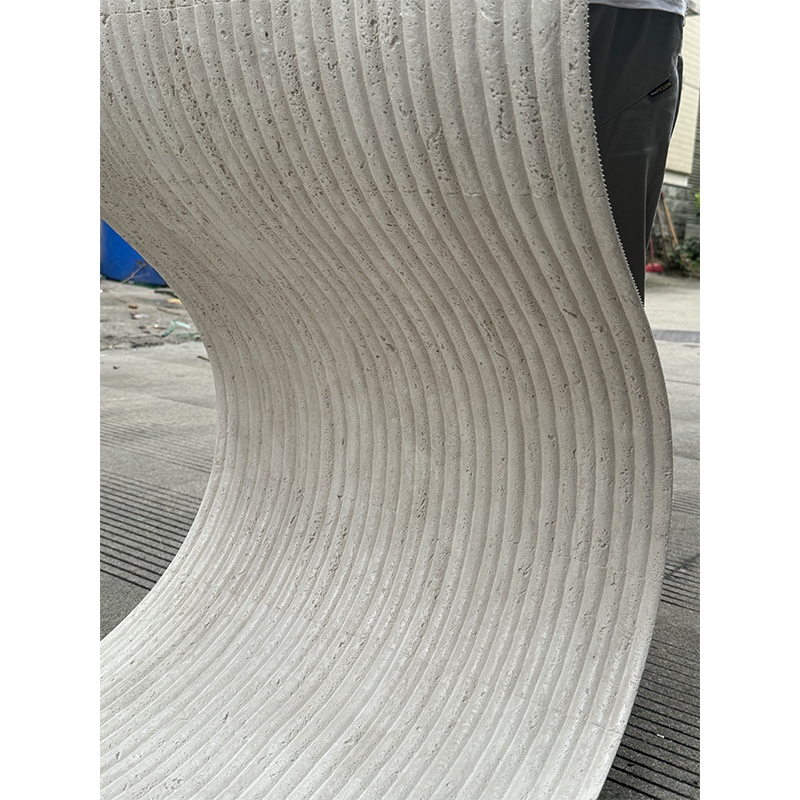
Start by picking soft stone that already looks a little uneven—split-face travertine or tumbled sandstone works far better than honed slabs. Leave the edges rough and skip any filler meant to hide chips. For the plaster, mix it slightly thicker than usual and don't aim for a glass-smooth finish; a few trowel marks and small air pockets give the wall the feel of being worked by hand. Wood should stay unvarnished and lightly sanded, with saw marks or subtle grain lift left intact instead of sealed away.
Apply the plaster as a base coat, then press stone pieces into it while it's still tacky, allowing some areas to sit proud and others to sink back. Avoid straight grid lines—stagger the stone like you would a dry-stack wall, and let the plaster squeeze out unevenly at the joints. Use wood only where a hand would naturally rest or where the eye needs a pause: a low shelf, a narrow mantel, or a window ledge. Fasten it with exposed screws or dovetail joints so the construction feels honest rather than hidden.
The result is a surface that changes with the light and invites touch. Soft stone warms up where the sun hits it, plaster holds the coolness of the room, and wood bridges the two with a dry, almost dusty texture. Don't coat everything with a uniform sealer—let the stone stay matte and the plaster breathe a little. This layered approach reads less like a finish and more like a record of the hands that built it.
How Natural Light Shifts the Color of MCM Soft Stone Throughout the Day
Morning light enters low and diffuse, washing MCM Soft Stone in a cooler, bluish cast that pulls out its quieter mineral side. The surface looks flatter, more matte, and the natural mottling recedes into a gentle haze. As the sun climbs, direct midday exposure shifts the palette toward warmer sand and ochre notes, while the slight relief of the stone begins to throw micro-shadows that give the wall more depth. By late afternoon, the low-angle golden light saturates the iron-oxide tones embedded in the material, turning what looked pale at dawn into a rich, sunbaked surface.
This constant change isn't a flaw—it's how MCM Soft Stone reads as a living finish rather than a printed pattern. Rooms with east-facing exposures will see the cool-to-warm swing earlier, while west-facing walls hold the amber glow longer into the evening. Interior designers often exploit this by placing the material near large glazing or clerestory windows, letting the wall become a quiet timekeeper that shifts from cool stone to warm earth without any artificial lighting.
Small-Space Moves: Wrapping Awkward Corners in Continuous Stone Texture
Tight rooms often turn corners into dead zones where tile patterns break or grout lines pile up. A continuous stone texture sidesteps that entirely. By running the same vein flow across both surfaces, the eye glides past the joint instead of stopping at it—making a cramped powder room or narrow entry feel less chopped up.
The trick is to treat the corner as a fold, not a seam. Thin-set the stone as close to the inside edge as possible, then let the material’s natural fissures carry the pattern around. For outside corners on half-walls or niches, miter the edges so the texture wraps uninterrupted. You’ll lose a little material, but the payoff is a corner that reads as one continuous slab.
Lighting matters more here than in open spaces. A soft wash from the side can exaggerate any slight misalignment at the fold, so keep the stone’s surface variation subtle—honed finishes work better than heavily chiseled faces. Small-space corners have nowhere to hide a mistake, but get the wrap right and the room instantly feels wider.
The Quiet Luxury of a Floor-to-Ceiling Soft Stone Entryway
Walking through a floor-to-ceiling soft stone entryway feels less like entering a room and more like stepping into a carved alcove of calm. The material, often a honed travertine or a lightly textured limestone, doesn't shout for attention. Instead, its faint mineral veins and matte surface absorb the light, diffusing it into a glow that makes the space feel both grounded and generous.
What sets this kind of entry apart is the way it handles touch. Unlike polished marble or lacquered paneling, soft stone invites a hand to rest just a moment longer. There's a subtle warmth to it, a reminder that the wall isn't merely a surface but a slow geological record. Paired with recessed lighting or a narrow vertical window, the full-height installation turns a functional passage into a pause — a threshold that quietly recalibrates your pace before you enter the rest of the home.
In a design landscape often dominated by high-contrast statement pieces, this approach leans on restraint. The luxury isn't in ornament but in the unhurried consistency of the material, the way it wraps from floor to ceiling without interruption. It's an investment in atmosphere rather than spectacle, and for those who notice, it changes how a home feels from the very first step inside.
Using Soft Stone to Soften the Edges of a Minimalist Kitchen
Minimalist kitchens often lean hard—straight lines, sharp corners, and surfaces that repel touch. Introducing soft stone turns that cold precision into something calmer. A honed limestone countertop with gently rounded front edges invites a hand to rest, while a tumbled travertine backsplash breaks the flatness with subtle texture. The stone doesn’t shout; it just takes the bite out of the room’s geometry.
The real shift happens at the corners and joints. Instead of mitered edges that meet at harsh angles, a fabricator can ease the profile into a soft radius. That single decision changes how light moves across the surface and how the kitchen feels when you walk past it. On an island, wrapping the sides in a matte soapstone with a lightly chiseled finish keeps the form minimal but gives it a hand-worked presence that polished granite never achieves.
You don’t need to cover every surface. A short backsplash of soft stone behind the cooktop, a windowsill replaced with a piece of honed travertine, or a single shelf carved from sandstone can do the softening. The trick is to let the stone’s natural imperfections—small pits, veining, color shifts—act as a counterweight to the kitchen’s clean lines. That way the room stays minimal, but it no longer feels brittle.
FAQ
Think of it as a flexible, lightweight sheet made from crushed natural stone and resin. Unlike rigid veneer panels, it can bend around corners, cut with a utility knife, and install without heavy mortar. It has a matte, almost suede-like finish that reads as solid stone once mounted, but a single panel weighs less than a gallon of paint.
Yes, if the existing surface is sound, clean, and free of glossy sealers. Use a polymer-modified thin-set and a 1/8-inch notched trowel, then press the panel firmly. For glossy tiles, scuff them with 80-grit sandpaper first to give the adhesive bite. One trick: run a heat gun lightly over the panel before wrapping outside corners so it relaxes and stays put.
Entryways, fireplace surrounds, and media walls tend to give the most impact for the effort. But skip the obvious full accent wall behind the bed—instead, line the back of a built-in bookshelf or the recess of a dry bar. Those smaller, unexpected applications feel more curated than a floor-to-ceiling feature.
Use it as a tonal layer rather than a contrast piece. Choose a color just one or two shades off your wall paint, and keep the panel edges crisp with a reveal gap or black metal trim. If the room has strong architectural lines, run the stone vertically to echo them; avoid random stacked patterns unless the rest of the space is very calm.
It holds up better than you would expect, but sealing is non-negotiable. Use a penetrating silane-siloxane sealer before grouting and again after 48 hours. In a steam shower, leave a 1/8-inch expansion gap between panels and fill it with flexible sealant, not grout, to prevent cracking from thermal movement.
Look for warm greige, putty, or pale sage tones with little color variation. A honed, low-luster surface reads more period-appropriate than polished or heavily chiseled textures. Avoid strong yellow or pink undertones—they tip into Tuscan territory. If you want contrast, pair the stone with walnut or teak trim and matte brass hardware.
That is actually where they shine. The material can wrap a 12-inch radius without scoring if you warm it slightly and work slowly. Use a contact adhesive on the back and a J-roller to press out air pockets. For tight compound curves, cut the sheet into narrow vertical strips and butt them together—the seams disappear once you apply the tinted sealer.
Conclusion
High-quality MCM soft stone brings a tactile, organic presence to modern homes that goes well past the typical accent wall. Instead of a single flat backdrop, designers are wrapping entire rooms in continuous stone texture, using it to smooth awkward corners and turn tight or irregular spaces into seamless architectural moments. Layering the soft stone with warm plaster and natural wood introduces a handmade feel—the grain and subtle variations in the stone read as intentional, almost artisanal, while still feeling clean and contemporary. What makes the material especially compelling is how it responds to daylight. From morning to evening, the color shifts in tone, moving from cool gray to warm sand or deepening into richer earthy hues, so the same wall never looks exactly the same twice.
A floor-to-ceiling soft stone entryway sets a quiet, luxurious tone the moment you walk in—its uninterrupted vertical surface draws the eye upward and makes the space feel both grounded and expansive. In smaller rooms, the same material can hug a corner or wrap a column, erasing harsh edges and creating a sense of flow without extra bulk. Even in a minimalist kitchen, soft stone does the opposite of adding coldness; it softens hard lines and balances sleek cabinetry or steel fixtures with a subtle, almost suede-like texture. Rather than shouting for attention, high-quality MCM soft stone works as a background material that rewards a closer look, allowing modern homes to feel warmer, more layered, and quietly sophisticated.
Contact Us
Contact Person: Vito
Email: [email protected]
Tel/WhatsApp: 86 13088879266
Website: https://www.magicstonemcm.com