Fresh-Air Dehumidification All-in-One Unit Company: Your Partner for Healthier Indoor Living
2026-11-16
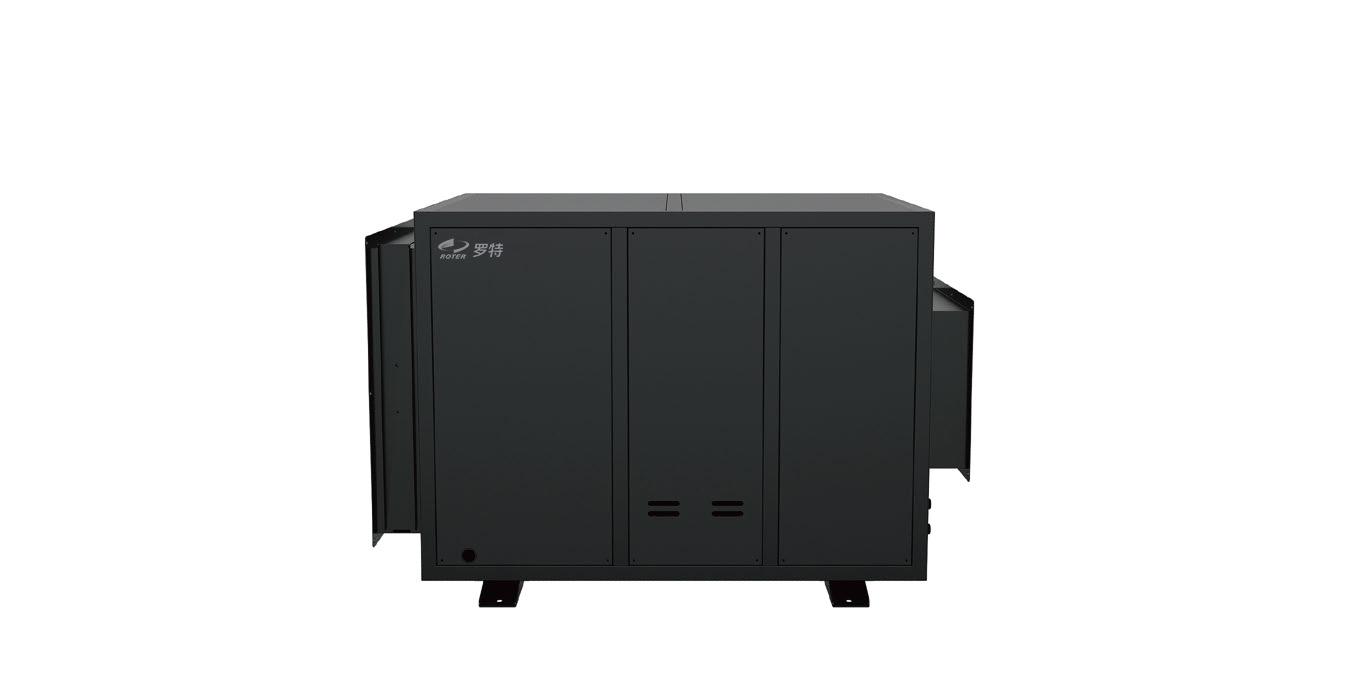
Indoor air shouldn’t feel heavy or stale. Yet for many homes, excess humidity and poor ventilation quietly work against comfort and health. That’s exactly where ROTER steps in — not with a patchwork of separate devices, but with a fresh-air dehumidification all-in-one unit designed to keep your living space balanced and breathable. If you’ve been searching for a smarter way to manage moisture and air quality without cluttering your home, you’re about to see why this approach is changing expectations.
Why Your Home’s Humidity Is Quietly Working Against You
The air in your home can feel heavier than it should, but you might not connect the dots until a door starts sticking or a cold wall smells faintly earthy. Excess indoor humidity doesn’t announce itself; it settles into fabrics, drywall, and wood, slowly feeding mold spores and dust mites that thrive above roughly 60 percent relative humidity. That persistent mustiness in the basement or the clammy feel of bedsheets on a summer night is often the first quiet signal, not just a quirk of the weather.
Beyond the smell, damp air makes your body work harder to cool itself, which can leave you restless even when the thermostat says the temperature is fine. Wood floors cup, wallpaper peels at the seams, and electronics can corrode internally over time. The real frustration is that these problems grow in the background—until warped trim or a wheeze at night finally reveals what the moisture has been doing all along.
The Overlooked Link Between Fresh Air and Better Sleep
We spend a third of our lives asleep, yet rarely connect the calm of a cool night breeze with how quickly we drift off. Stale indoor air builds up carbon dioxide, humidity, and the day’s lingering odors—each one a quiet nudge keeping your brain from sliding into deep rest. Opening a window even a few inches lowers CO₂ levels and brings a subtle temperature drop that mimics the body’s natural evening cool-down. That small shift can make falling asleep feel less like a chore and more like a reflex.
Fresh air also carries a gentle sensory rhythm. The faint rustle of leaves, the distant hush of traffic, or the occasional cool draft against your arm gives your mind something neutral to anchor on—replacing the looping thoughts of work or worry. People who sleep with a window cracked often report waking fewer times, not because of silence, but because the air itself seems to hold a cleaner, calmer quality. It’s an unglamorous fix, yet one of the cheapest ways to improve sleep architecture without touching a pill bottle.
The overlooked link isn’t just about oxygen—it’s about how your body reads the room. A stuffy bedroom signals “sealed in” and “alert,” while moving air signals “open” and “safe.” If you’ve tried blackout curtains, white noise machines, and weighted blankets with little success, try this before anything else: air out the room for ten minutes before bed, then leave the window open just enough to feel a faint current. Many find that within a week, the groggy morning haze thins, and falling asleep no longer feels like a nightly negotiation.
How One Compact Unit Replaces Two Bulky Appliances
Living in a small apartment or an older home often forces hard choices about which appliances earn a spot. A washer-dryer combo removes that dilemma by merging two full-size machines into a single unit about as wide as a standard dishwasher. You load dirty clothes once, set the cycle, and come back to dry laundry—no mid-cycle transfer, no damp piles sitting in a basket.
Beyond saving floor space, the combo's ventless design means it doesn't need an outside exhaust. That allows installation in a kitchen, bathroom, or closet without cutting holes in walls. For renters or anyone overhauling a compact layout, this one-for-two swap can open up room for a folding counter, extra shelving, or just a clear walkway.
The main trade-off is time: a combined wash-and-dry cycle can take three to six hours depending on load size. But if your current setup involves a shared laundry room or a trip to the laundromat, the overnight convenience usually wins. You trade a little patience for a lot of reclaimed space and a simpler routine.
Designing for Real Life: Maintenance You’ll Actually Forget About
Most maintenance advice assumes you’ll remember to oil the hinges every season, but real life doesn’t work that way. The best designs quietly take care of themselves long after the initial excitement fades. That means choosing finishes that hide fingerprints instead of demanding weekly polishing, and hardware that won’t loosen from daily use. When you stop noticing a surface or a mechanism, that’s not neglect—it’s the mark of a design that actually fits your routine.
Think about the things you never have to think about: a drawer that glides shut without adjustment, a faucet that doesn’t collect water spots, a floor that forgives muddy footprints. These aren’t accidental. They come from planning for the maintenance you won’t do, not the maintenance you promise yourself you will. Design for the person who will live with the space in six months, not the one standing in the showroom with a checklist.
Energy Bills You Won’t Dread Anymore
There was a time when opening the monthly utility statement felt like a small personal failure—a reminder that the house was drafty, the water heater ancient, and the thermostat fighting a losing battle against the weather. But it doesn’t have to stay that way. Simple, almost invisible changes—like swapping old bulbs for LEDs, sealing the gap under the back door, or plugging a smart power strip into the entertainment center—can quietly take the sting out of that envelope. Suddenly the number isn’t a punishment; it’s just a number, and a much smaller one at that.
The real shift happens when you stop treating energy use as a fixed monthly tax and start seeing it as a series of small, negotiable habits. That old fridge in the garage? It’s probably burning through more power than your new one and the dishwasher combined. Setting the water heater to 120 degrees instead of scalding-hot keeps showers comfortable without paying to boil water you’ll never use. Even something as minor as running full loads of laundry on cold can shave dollars off the bill without anyone noticing a difference in how clean the clothes feel.
What makes these changes stick is that they don’t ask you to live in the dark or shiver under a blanket. They work in the background—a programmable thermostat that learns when you’re home, weatherstripping that stops the phantom draft, a few minutes spent unplugging chargers that aren’t charging anything. After a month or two, the bill stops being a source of dread and becomes proof that the house is finally working with you, not against you.
From Musty Basement to Favorite Room
The first time we pulled back the old carpet, the smell hit us like a wet wool blanket left in a locker. It wasn't just damp—it was the specific funk of forgotten cardboard boxes, peeling paint, and concrete that never quite dried. The basement had been a graveyard for everything we didn't know what to do with: mismatched chairs, holiday decorations from three houses ago, and a treadmill that doubled as a clothes rack. Every corner held a shadow, and the single bare bulb made the room feel less like a space and more like a holding cell for junk.
We didn't renovate so much as rescue it. After sealing the walls and running a proper dehumidifier for two straight weeks, the air finally stopped clinging to our skin. We painted the cinder block a warm off-white, added a row of small windows where code allowed, and laid down vinyl plank flooring that could shrug off the occasional leak. Now the room has a worn leather sofa, a wall-mounted TV, and a shelf of board games that actually get used. It's become the place where the kids do homework, the dog naps in the afternoon sun, and Friday nights smell like popcorn instead of mildew.
FAQ
It pulls in fresh outdoor air, removes excess moisture, and then delivers that conditioned air indoors. You're not just drying the room; you're replacing stale air with filtered, drier air in one system.
Homeowners and small business operators who deal with musty basements, condensation on windows, or that sticky feeling during humid months. It suits anyone who wants to avoid the hassle of juggling separate ventilation and dehumidification systems.
They focus on long-term support, from helping you size the unit for your space to offering maintenance reminders and filter replacement guidance. The goal isn't just selling hardware; it's keeping your indoor air quality consistent year-round.
Yes, the fan and compressor are tuned to stay unobtrusive. Many customers place them in occupied rooms without noticing more than a low hum, which matters if you're sensitive to background noise.
Expect to clean or replace the air filter periodically, and drain the collected water unless you use the continuous drain option. Beyond that, an annual check of the coil and fan keeps it running efficiently.
Because the unit conditions incoming air rather than simply dumping it into the room, it avoids the big temperature swings that force your HVAC to work harder. In practice, most users see a modest change in electricity use, not a spike.
Basements, laundry rooms, and garages are common choices, but any area with poor air circulation and high humidity works. The company's support team can help you pick a location that balances fresh air supply and drainage.
Conclusion
Most people don't notice the slow creep of excess moisture until the walls feel clammy or a faint mustiness settles into the couch. That hidden humidity doesn't just mess with your comfort—it feeds dust mites, warps wood, and makes every breath feel heavier than it should. The link between stale, damp air and restless nights is easy to ignore, but your body knows: you toss more, wake up groggy, and never quite shake that stuffy-head feeling. A proper fresh-air dehumidification unit changes this quietly, pulling in filtered outdoor air while stripping out the damp. It's not just about drying a room; it's about giving your lungs a cleaner script to work with every single night.
What makes the all-in-one approach stand out is how it collapses two big, noisy machines into a single compact box that sits in a corner and minds its own business. No more emptying buckets or crawling behind appliances to scrub coils—the design assumes you'll forget about it, and that's the point. Your energy bill stops spiking because the system only works when it senses a real need, not on some rigid schedule. The result isn't a sterile, overly dry space either. Basements that used to smell like old cardboard become the room everyone actually wants to hang out in—drier, fresher, and just... easier to live in. That's what healthier indoor living looks like: not a battle against your house, but a quiet partnership—and that's exactly what the Fresh-Air Dehumidification All-in-One Unit Company delivers.
Contact Us
Contact Person: Rhea
Email: [email protected]
Tel/WhatsApp: +8618800560886
Website: https://www.rotorairtech.com