Discovering the Top Roll Forming Machine Supplier from China for Your Manufacturing Needs
2026-09-10
In the competitive landscape of global manufacturing, finding the ideal roll forming machine supplier is more than just a procurement task—it's a strategic move that can define your production efficiency and product quality. As industries seek reliable partners to optimize their metal forming processes, the spotlight often turns to China, a hub of innovation and industrial expertise. At the heart of this search lies the question: How do you uncover a supplier that not only meets technical specifications but also aligns with your long-term goals? Enter Beenew, a name that stands out in the roll forming machinery sector for its precision engineering and customer-centric approach. This blog dives into the key factors that set top suppliers apart, offering actionable insights to guide your decision-making. Whether you're aiming to reduce costs, enhance flexibility, or future-proof your operations, we'll explore what makes a reliable partner like Beenew a game-changer in today's fast-paced market. Stay tuned as we navigate the essentials of selecting the right supplier from China, ensuring your manufacturing needs are not just met, but exceeded.
Identify Key Factors in Selecting a Roll Forming Machine Supplier
When choosing a roll forming machine supplier, it's crucial to look beyond basic price quotes and focus on their track record in the industry. Consider how long they've been operating and ask for case studies or references from previous clients to gauge reliability and expertise. A supplier with deep experience will likely offer better guidance on custom solutions and technical support, ensuring your production line runs smoothly from day one.
Another key factor is the quality and innovation of the machinery itself. Evaluate the supplier's manufacturing standards, such as ISO certifications, and check if they use durable materials and advanced technologies that enhance efficiency. Don't just settle for off-the-shelf models; inquire about their ability to tailor machines to your specific material types or product designs, which can give you a competitive edge in your market.
Finally, assess the supplier's after-sales services and logistical capabilities. Look for comprehensive warranties, easy access to spare parts, and responsive technical assistance that minimizes downtime. Consider their geographic reach and shipping options too—a local or well-connected supplier might offer faster delivery and lower costs, making your investment more practical and sustainable in the long run.
Evaluate Supplier Capabilities and Manufacturing Expertise
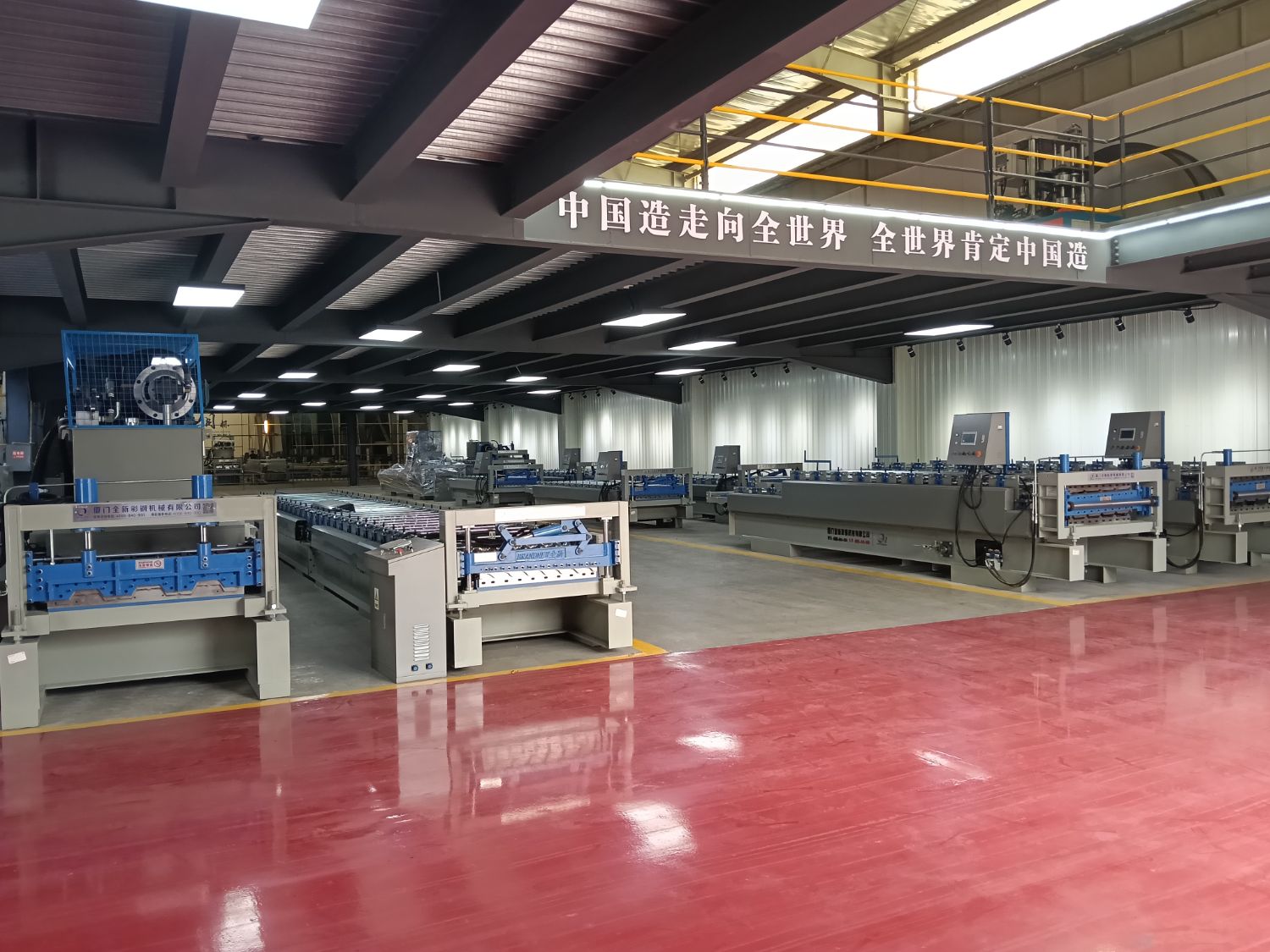
When diving into a supplier evaluation, it's not just about ticking boxes on a checklist; it's about peeling back the layers to truly understand what makes them tick. You'll want to look beyond the glossy brochures and delve into their core competencies, such as material sourcing strategies, quality control protocols, and adaptability in production lines. For instance, how do they handle unexpected disruptions or shifts in demand? This proactive approach can reveal hidden strengths or potential red flags that might otherwise go unnoticed, setting you up for a more resilient partnership.
Assessing manufacturing expertise often means getting hands-on with their processes. Consider scheduling site visits or virtual tours to see their facilities in action—observe the machinery, the workflow efficiency, and the team's skill levels. It's not just about how many units they can churn out per hour, but the finesse with which they execute complex tasks or integrate innovative technologies. A supplier that regularly invests in upskilling their workforce or adopts cutting-edge techniques like additive manufacturing might offer superior value compared to those stuck in traditional methods, giving you a competitive edge in product quality and speed to market.
Finally, don't overlook the softer aspects intertwined with their capabilities. Engage in candid conversations with their management and staff to gauge their problem-solving mindset and commitment to continuous improvement. Are they open to feedback and collaborative problem-solving, or do they operate in a rigid, siloed manner? This human element can be just as crucial as technical specs, influencing everything from on-time deliveries to long-term innovation. By blending quantitative metrics with qualitative insights, you'll craft a well-rounded picture that helps select a supplier aligned with your strategic goals, rather than just the lowest bidder.
Compare Quality Standards and Certifications Among Chinese Suppliers
When evaluating Chinese suppliers, it's crucial to dig deeper into the quality standards and certifications they hold, as these can vary significantly across industries and regions. For instance, in the electronics sector, suppliers might highlight ISO 9001 for management systems, but the real differentiator often lies in specialized certifications like UL or CE for safety and compliance with international markets. Meanwhile, in textiles, look beyond basic quality marks to certifications like Oeko-Tex Standard 100, ensuring products are free from harmful substances, or Global Organic Textile Standard (GOTS) for eco-friendly materials, which can signal a commitment to sustainability and meticulous production processes.
Navigating these certifications requires a tailored approach—don't just settle for the most common ones. Some suppliers might boast of having multiple certifications, but if these aren't relevant to your specific product needs or target market, they could be more about marketing than substance. For example, a manufacturer in Guangdong might hold China Compulsory Certification (CCC) for domestic sales, while a competitor in Zhejiang focuses on FDA approvals for food-contact materials, each catering to different regulatory landscapes. By comparing these details, you can identify suppliers who not only meet baseline requirements but also excel in areas critical to your business, such as product reliability, environmental impact, or adaptability to export regulations.
To truly stand out, consider how suppliers maintain and update their certifications over time. A company that regularly audits its processes and invests in employee training for standards like IATF 16949 in automotive parts demonstrates a proactive quality culture, reducing risks in your supply chain. This comparison goes beyond static lists; it's about assessing the ongoing commitment to excellence that can give you a competitive edge, ensuring smoother collaborations and higher satisfaction for end-users in diverse global markets.
Analyze Cost-Effectiveness and Customization Options Available
When considering software solutions, it's crucial to weigh the balance between investment and value. Cost-effectiveness isn't just about upfront pricing; it delves into long-term benefits like reduced operational costs, scalability, and efficiency gains. A smart approach involves comparing different offerings, factoring in potential savings from features that streamline workflows, minimize downtime, or enhance user productivity. This analysis helps ensure you're not just buying a solution, but investing in one that pays off over time, adapting to your evolving needs without constant financial strain.
Customization options play a key role in maximizing value, allowing systems to be tailored specifically to your unique processes. Unlike one-size-fits-all tools, platforms with robust customization capabilities let you modify interfaces, integrate with existing software, or add functionalities that align with your business goals. This flexibility means you can start with a solid foundation and expand as required, avoiding the pitfalls of overpaying for unnecessary features or struggling with rigid structures that don't fit your workflow.
To stand out, focus on how these elements combine to create a personalized, efficient solution. For example, assess whether a provider offers modular pricing or add-ons that let you scale costs with usage, ensuring you only pay for what you need. By prioritizing both cost-effectiveness and customization, you can achieve a solution that not only fits your budget but also grows with your organization, delivering sustained value without compromising on functionality or user experience.
Assess After-Sales Support and Global Service Networks
When evaluating after-sales support and global service networks, it's essential to look beyond the initial purchase and consider how a company stands by its products over the long term. A robust after-sales framework not only resolves issues swiftly but also builds lasting customer trust. For instance, companies that offer transparent service guarantees and easy access to technical help often see higher satisfaction rates. This proactive approach ensures that any hiccups post-purchase don't turn into major setbacks, keeping operations running smoothly.
A truly global service network goes beyond mere geographic presence; it integrates local expertise with international standards to deliver consistent, reliable support wherever customers are. Think of firms that maintain dedicated regional teams who understand local regulations and consumer needs—this localization can make all the difference in emergency repairs or routine maintenance. By leveraging such networks, businesses can minimize downtime and adapt quickly to diverse markets, enhancing their overall value proposition in a competitive landscape.
In practice, assessing these elements involves scrutinizing response times, service coverage maps, and real-world feedback from users across different regions. Look for patterns in how companies handle warranty claims or provide remote assistance; those with streamlined processes and multilingual support often excel. Ultimately, a strong after-sales ecosystem and well-connected global network signal a commitment to customer success that extends far beyond the sale, fostering loyalty and driving repeat business in an interconnected world.
Explore Case Studies and Success Stories for Informed Decisions
Discover how real-world examples can transform uncertainty into clarity. Dive into our curated case studies, which detail the challenges faced by organizations similar to yours and the innovative solutions they implemented. These narratives provide a granular look at strategic decisions, operational tweaks, and measurable outcomes, offering a practical blueprint for navigating your own business landscape with confidence.
Our success stories go beyond mere testimonials by weaving in the human element behind each achievement. From startups overcoming initial hurdles to established enterprises scaling new heights, these accounts highlight the pivotal moments and creative problem-solving that led to breakthroughs. By examining these journeys, you'll gain insights into adaptable strategies and potential pitfalls, empowering you to make well-informed choices tailored to your unique context.
Engage with these resources to move beyond theoretical advice and tap into experiential wisdom. Each story is crafted to spark inspiration and provide actionable takeaways, whether you're refining a marketing campaign or overhauling a supply chain. Leverage this knowledge to anticipate challenges and seize opportunities, ensuring your decisions are grounded in proven success rather than guesswork.
FAQ
Look for suppliers with extensive industry experience and verifiable customer testimonials. Check if they offer after-sales support and customized solutions, as these indicate reliability and commitment to meeting specific manufacturing demands.
Evaluate the machine's precision, material compatibility, and energy efficiency. Also, consider the supplier's production capacity and lead times to ensure they can deliver equipment that aligns with your operational schedule and quality standards.
Yes, Chinese suppliers often provide cost-effective solutions without compromising on technology. Many have adopted advanced manufacturing techniques, offering a balance of affordability and innovation that can be harder to find elsewhere.
Request detailed specifications, certifications like ISO, and if possible, arrange for a factory visit or virtual tour. Reviewing sample products or case studies can also help assess the machine's performance and durability in real-world applications.
Absolutely. Many Chinese manufacturers excel in tailoring machines to unique requirements, such as specific dimensions, materials, or automation levels. Discussing your project details upfront ensures they can engineer a solution that matches your exact specifications.
Expect comprehensive services including installation guidance, operator training, and ongoing technical support. Some suppliers also offer maintenance packages and spare parts availability to minimize downtime and ensure long-term reliability.
Typically, Chinese suppliers offer competitive pricing due to lower production costs and economies of scale. However, focus on value rather than just price—consider factors like warranty, energy savings, and total cost of ownership to make an informed decision.
Challenges include language barriers, shipping logistics, and compliance with local standards. To mitigate these, work with suppliers who provide clear documentation, use reliable freight forwarders, and ensure their machines meet international safety and quality norms.
Conclusion
When seeking a top roll forming machine supplier from China, a comprehensive approach is essential to ensure alignment with your manufacturing needs. Start by identifying key factors such as production capacity, technological innovation, and industry specialization, as these directly impact machine performance and longevity. Then, evaluate supplier capabilities, including their manufacturing expertise in handling various materials like steel, aluminum, and copper. Comparing quality standards, such as ISO certifications, helps verify compliance with international norms, while analyzing cost-effectiveness through pricing, delivery times, and customization options ensures value for money. By integrating these aspects, you can narrow down suppliers that offer reliable, tailored solutions.
Beyond initial selection, assessing after-sales support and global service networks is crucial for long-term operational efficiency and minimal downtime. Look for suppliers who provide training, spare parts availability, and responsive technical assistance worldwide. Additionally, exploring case studies and success stories offers real-world insights into supplier performance, reliability, and adaptability in diverse projects. This holistic strategy, blending technical evaluations with practical experiences, enables informed decisions that can optimize production workflows and enhance competitiveness in your industry. By focusing on these elements, you can confidently partner with a Chinese supplier that meets both current and future manufacturing demands.
Contact Us
Contact Person: Sophie
Email: [email protected]
Tel/WhatsApp: 8615959271231
Website: https://www.beenew-rollformer.com/