Custom Steering Wheel Covers That Instantly Personalize Your Driving Experience
2026-11-20
Before you even shift into gear, your hands know whether a car feels right. Custom steering wheel covers turn that first touch into something intentional—adding comfort, control, and a look that belongs to you. Instead of settling for the factory finish, you can choose a cover that suits your grip and style. Red Rain focuses on that exact detail, creating covers that make the driver’s seat feel less like a rental and more like home.
The One Interior Swap You Can Make Before the Engine Warms Up
You know the drill. Start the car on a cold morning, wait for the idle to settle, and do nothing. Except there is one interior piece that can be out and replaced in that same window. The trim collar around the shifter, the part your fingers glance past every time you reach for a gear, is usually held in by nothing more than friction clips. Slip a nylon pry tool under the edge, lift gently, and the old scratched plastic comes away without touching a single bolt.
What makes the swap worth doing is not the removal, it is the material you put back. A brushed aluminum or factory matte wood collar changes the way the whole console reads from the driver seat, even if the rest of the cabin is untouched. Look for an original equipment take-off part or a well-finished aftermarket piece with a real coating. The cheap stick-on chrome rings are tempting, but they lift at the edges after a week and look worse than the scratch they were hiding.
There is no reset procedure, no battery disconnect, and no fault code to worry about. By the time the temperature needle starts moving, the interior already feels a little less rental-spec and a little more like yours.
Why the Factory Wheel Stops Feeling Right After a Long Commute
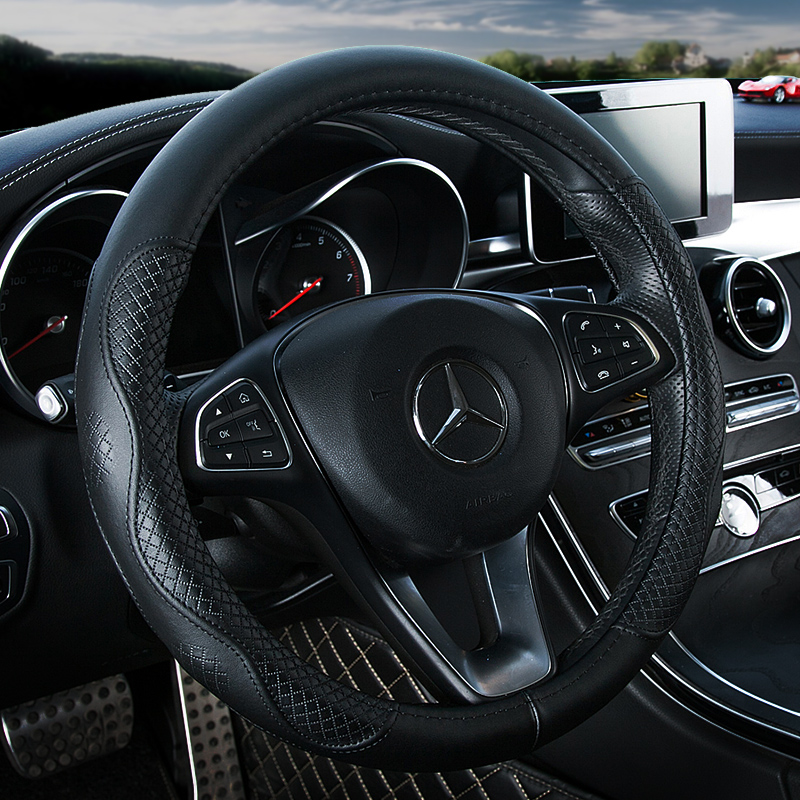
That stock steering wheel starts off feeling like a neutral, almost forgettable part of the cabin. But after forty minutes of stop-and-go traffic, your palms start noticing the hard plastic grain, the slightly too-thin rim, and the way the spokes dig into your thumbs at ten and two. It is not that the wheel changed during the drive; it is that your hands finally ran out of patience for a shape designed to satisfy a focus group, not a real commute.
Heat buildup plays a bigger role than most people admit. A factory wheel absorbs sunlight through the windshield and holds it against your skin, especially if it has a leather wrap that is mostly polyurethane. By the time you are halfway home, the surface feels slick without being smooth, and you catch yourself gripping harder just to keep a consistent feel. That extra tension travels up your forearms and settles in your shoulders before you even reach your exit.
Then there is the diameter and cross-section. Many OEM wheels are tuned for light parking effort, which means a thinner rim and a larger overall circle. It works fine for a test drive around the block, but on a long straight highway stretch, your fingers stay curled in a fixed position with little relief. A slightly thicker, contoured grip would let your hands relax, but the factory piece keeps asking for a firmer squeeze. That mismatch is why the wheel that felt acceptable in the showroom starts to feel wrong somewhere between the third traffic light and the last mile.
Choosing Between Suede, Leather, and Silicone by How Your Hands Actually Feel
Suede is the one you notice first on a cold morning. It doesn't pull heat away from your palms, so it feels almost fabric-soft rather than like a barrier. The nap picks up faint friction, which helps when your hands are dry, but if you tend to run warm or grip tightly, that same texture can start to feel clingy after an hour.
Leather takes a little longer to settle. It lands cool and smooth, then gradually warms to match your skin, and the grain gives just enough tooth without grabbing. For hands that sweat lightly, it usually stays comfortable because it absorbs and releases moisture instead of trapping it, though very sweaty hands may notice a slight tackiness along the edges.
Silicone grips without any break-in. It holds steady the second you pick it up, especially with damp or clumsy fingers. The downside is that it can feel slightly thick and rubbery in a closed palm, and it picks up oils faster than the other two, so after a while you're more aware of the surface than the object itself.
Getting a Snug Fit Without Wrinkles or a Mid-Turn Slip
A snug fit that stays put doesn't come from cranking the straps as tight as they'll go. It starts with how the upper is shaped around your instep and heel. When the eyestay sits flat across the top of your foot and the heel counter cups rather than squeezes, the shoe moves with your foot instead of fighting it. That combination removes the slack that causes mid-turn slipping without creating the pinching that leads to wrinkles in the toe box.
The lacing pattern matters more than most people expect. A runner's loop or heel-lock setup pulls the collar inward at the ankle, keeping the foot anchored during lateral pushes and quick direction changes. Meanwhile, leaving the lower laces slightly relaxed gives the forefoot room to flex naturally. This balance keeps the fabric from bunching at the ball of the foot while the rearfoot stays locked.
If you still feel movement inside the shoe after adjusting tension, the issue is often volume rather than tightness. A thin insole or a different sock thickness can take up extra space evenly, letting the upper wrap smoothly without distorting. The goal is a fit that feels like a firm handshake around the midfoot and heel, not a clamp that forces the material into folds.
Colors and Stitching That Survive Sun Fade and Daily Wear
Sun fade usually starts at the surface, where UV light breaks down dye before it ever touches the weave. That is why the color here is pushed through the fiber instead of sitting on top of it. After repeated exposure, the shade may settle slightly, but it does not turn chalky or bleach out in patches. The muted tones are chosen to age the way natural canvas does, so a little sun history only softens the look rather than ruining it.
The stitching takes the first hit in daily use, from zipper pulls to chair legs to kids climbing across the armrest. These seams are sewn with a heavier UV-stable thread and a shorter stitch length than what you usually find on indoor fabric. Corners and stress points get double passes, so the thread holds its color and its grip even when the fabric is pulled tight or left damp near a pool.
Daily wear also means friction, spills, and the occasional scrub with a stiff brush. The thread ends are locked down, and the seams are flat enough that they do not catch on belt loops or pet claws. Because the color and stitching are built for the same kind of light, the whole piece fades evenly and keeps its structure instead of developing bright edge lines or frayed white seams.
Matching the Cover to Your Driving Habits Instead of Just Your Car’s Trim
A car’s trim level tells you about seat materials and infotainment screens, but it rarely reveals how the vehicle gets used day to day. A base model driven 40 miles each morning on busy interstates may face a very different risk profile than a top trim that only leaves the garage on weekends. Matching the cover to your actual driving routines—commute length, parking situation, annual mileage—often captures that reality more accurately than focusing on the badge or package name.
That shift in focus can also prevent overpaying for features you rarely need. If you work from home and put on limited miles, a policy built around low usage and secure overnight parking may serve you better than one priced heavily for trim-level repair costs. On the other hand, frequent road trips or rush-hour exposure might matter more than whether your car has leather seats or a premium sound system.
Insurers still consider the vehicle itself, of course. But treating the trim as one signal among several—rather than the main one—gives you room to ask better questions about usage-based discounts, telematics, and coverage limits that reflect how the car actually spends its time.
FAQ
You choose the colors, stitching, and pattern, and the cover is cut to your wheel's exact diameter and grip thickness. It ends up looking like part of the original interior instead of a one-size-fits-all add-on.
Perforated leather and microfiber tend to age better than smooth vinyl. Leather stays cooler in summer, while microfiber gives a secure grip without making the rim feel overly thick.
Yes. You can provide photos of the interior along with the color code, stitching shade, or panel finish. The cover is then produced to mirror those details rather than using vague color names.
No, installation is non-adhesive and relies on a snug tailored fit. Many covers are warmed slightly to soften, stretched over the rim, and smoothed into place, so there is no glue or rough backing pressing against the leather.
In most cases, yes, as long as you choose a thinner liner that allows even heat transfer. The warmth still reaches your hands, just a few seconds slower through the extra layer.
Use a damp microfiber cloth and a little mild soap, then let it air dry. Stay away from alcohol-based cleaners and stiff brushes because they dull the print and stress the stitching.
Usually 7 to 12 business days after you approve the proof, depending on embroidery or printing detail and your location. Rush options may reduce that slightly.
It tends to work well if you know the vehicle year, make, and model, plus their preferred colors or trim. It feels tailored without asking them to commit to a permanent interior change.
Conclusion
There is something quietly satisfying about changing the way a steering wheel feels before the engine has even settled into idle. Most factory wheels are shaped for a broad audience, not for your palms, and after forty minutes of stop-and-go traffic the smooth rim can turn slick or uncomfortably warm. A custom cover fixes that disconnect in minutes. The real decision is material: suede grips better when your hands run dry, leather ages well if you want a little more polish, and silicone makes sense for humid mornings or long highway stretches where you tend to hold the wheel with a lighter touch. None of these are automatically better than the others; they simply match different hands and different routines.
The second half of the job is making sure the cover sits tight enough to feel like part of the wheel rather than a loose sleeve. A snug fit around the inner rim matters more than stretch marks on the outer edge, because even a small amount of play becomes annoying mid-turn. Look for stitching that runs straight through high-wear zones and colors that do not turn chalky after a summer of direct sun. Darker reds, charcoal, and muted blues tend to keep their depth longer than bright pastels. Beyond appearance, think about when and where you drive. If your commute involves tight parking lots, choose something with a slightly tacky surface. If you spend most of the time on interstates, a smoother but padded cover can reduce hand fatigue. The goal is not to match the trim perfectly; it is to make the cabin feel more like yours from the first mile.
Contact Us
Contact Person: Ms. Zhu
Email: [email protected]
Tel/WhatsApp: 86-15906860931
Website: https://www.redrainseatcovers.com