Custom Shower Gel Manufacturer Guide to Creating Your Signature Product Line
2026-10-22
Launching a custom shower gel line isn’t just about filling bottles—it’s about bottling a story your customers will want to lather up with every morning. Yet most brand owners get stuck on the same generic formulas, never realizing the true creative freedom that awaits when you move beyond off-the-shelf bases. At Wilson, we’ve seen firsthand how a signature scent, a smart texture choice, and one unexpected ingredient can turn a basic cleanser into a memorable ritual. So if you’re ready to stop blending in and start building a product line that feels unmistakably yours, this guide will walk you through the decisions that matter—from fragrance layering to packaging that speaks before the cap is even opened.
The Fragrance Brief: Translating Your Brand Story into Scent
A fragrance brief operates less like a checklist and more like a translation layer between abstract brand values and the physical heft of raw materials. When a brand story leans toward precision and restraint, the brief might describe chilled concrete, frosted glass, and a single green stem snapping clean—notes that lead a perfumer toward watery florals, mineral accords, or crisp cedar rather than heavy amber. Conversely, a story built on warmth and nostalgia asks for worn leather, soft dust, and the faint sweetness of old paper, pulling the composition toward tobacco, tonka, and woods.
The strongest briefs avoid naming specific ingredients too early. Instead, they map emotional territories: how the brand should feel on first encounter, what it should leave behind in a room, which memories it ought to stir. A perfumer can translate “quiet authority” into a quiet vetiver and iris pairing, while “playful irreverence” might become a sharp bite of pink pepper over a surprising milky base. The brief’s real job is to give the nose enough direction to explore, but enough ambiguity to create something no competitor would dare copy.
What makes the translation powerful is that scent bypasses the slow machinery of language. A well-written brief ensures that every whiff of the final perfume pulls the same emotional thread as the brand’s visual identity, voice, and customer experience—yet does so with a different, more intimate grammar. It turns a story into something that can be worn, walked through, and remembered without a single word being spoken.
Lather, Rinse, Repeat: Why Texture Matters More Than You Think
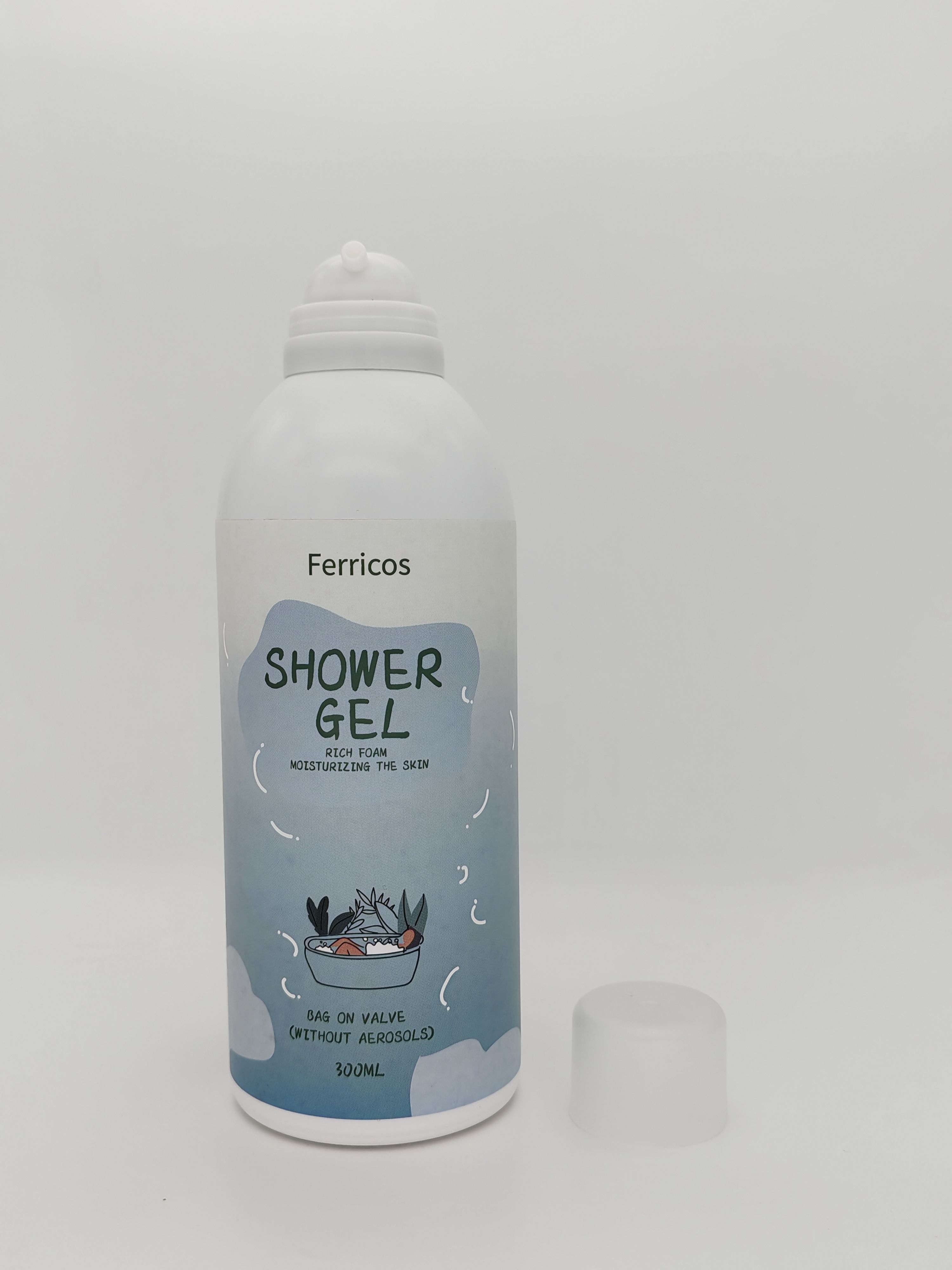
You’ve probably stood in the shower, half-awake, squeezing out a shampoo that runs through your fingers like water before you can even work it in. Most people fixate on ingredient lists, but texture is the first thing your skin and hair actually notice. A heavy cream cleanser might feel luxurious but leave a film, while a thin gel can strip everything and leave you squeaky. That initial touch sets the tone for the entire routine, and it’s often a better predictor of whether you’ll actually use the product than any fancy extract on the label.
The “lather, rinse, repeat” loop exposes texture flaws quickly. A rich, slow-building foam gives you time to massage your scalp without friction, while a weak, airy lather collapses and forces you to add more product. Then comes the rinse: a slick, conditioner-like shampoo might take forever to wash out, leaving you second-guessing if it’s gone, whereas a frothy one disappears in seconds but can leave hair tangled. Repeating the process amplifies these differences—by the second wash, a gritty exfoliant or a too-thick mask feels either satisfying or like a chore. Texture isn’t a static trait; it changes with water, heat, and repetition.
Beyond immediate sensation, texture influences how well a product spreads, absorbs, and layers. A silky serum glides over damp skin and sinks in without pilling under moisturizer, while a tacky one grabs at your fingertips and balls up. Over time, a pleasant texture keeps you consistent—you’re more likely to wash your hair twice a week if the foam feels cushiony rather than slimy. It also shapes your judgment of results: a moisturizer that leaves a velvety finish makes you believe your skin is softer, even if the active ingredients haven’t kicked in yet. When texture works, you don’t think about it—you just keep lathering, rinsing, repeating without dread.
Going Beyond Vanilla: Uncommon Ingredient Pairings That Pop
Most home cooks stick to the same handful of flavor marriages—lemon and garlic, tomato and basil, chocolate and raspberry. But some of the most memorable bites come from pairings that shouldn't work on paper yet absolutely do. Strawberries dusted with cracked black pepper turn sweeter and more complex, while a thin slice of blue cheese melted onto dark chocolate brings out the cocoa's fruitiness. Basil leaves tucked into a watermelon salad add a peppery green note that makes the melon taste even juicier. These combinations work because they hit different parts of your palate at once: sweet against bitter, floral against earthy, bright against creamy.
The trick to finding your own offbeat pairings is to think in opposites. Take a familiar ingredient and ask what would happen if you added a small amount of something sharp, smoky, or herbaceous. A little soy sauce in caramel sauce deepens the sweetness without tasting Asian; a pinch of espresso powder in beef stew adds richness without screaming coffee. Don't be afraid to borrow from other cuisines—miso and maple syrup make a surprisingly great glaze for roasted carrots, and tahini whisked into brownie batter gives the chocolate a nutty, almost halva-like texture. Start with a teaspoon, taste, and adjust. The goal is not to create a gimmick but to find a balance that makes each ingredient more itself.
If you're unsure where to begin, pick one familiar dish and change a single supporting flavor. Add a few drops of balsamic vinegar to vanilla ice cream, or fold chopped olives into orange zest shortbread. The combinations that pop are often the ones you stumble onto while cleaning out the fridge or misreading a recipe. Keep notes on what surprises you, and soon you'll have a personal list of pairings that feel less like trends and more like your own kitchen dialect.
Packaging That Won't End Up in the Back of the Cabinet
Most packaging gets a quick glance and then a one-way trip to the trash or the recycling bin. The real trick is creating something people actively want to keep around. Think of a tea box with a magnetic closure that feels like a tiny book, or a spice jar with a label you can wipe clean and reuse for bulk refills. When the container becomes part of the kitchen landscape instead of a temporary wrapper, it earns its place on the counter rather than the back of a shelf.
Function matters just as much as looks. A package that converts into a drawer organizer, a seed-starting tray, or a stackable storage tin solves a problem the user didn't know they had. A good example is a candle that arrives in a lidded ceramic vessel—once the wax is gone, the vessel holds cotton rounds, paper clips, or loose tea. The more uses a package has after its original job is done, the longer it stays visible and in rotation.
Avoid overdesigning with loud branding or flimsy cardstock. Use materials that age well—matte glass, heavyweight paper, untreated aluminum—and keep the color palette neutral enough to match different rooms. If the package looks like home décor, people will treat it that way. A simple kraft box with a tight-fitting lid and a discreet label can outlast a glossy, shrink-wrapped alternative simply because it doesn't feel disposable.
The Necessary Boring Stuff: Preservatives, pH, and Patch Tests
Preservatives rarely get the credit they deserve. You won't see them featured in glossy ingredient spotlights, yet they quietly prevent your moisturizer from turning into a science experiment. The real trick is understanding that not all preservative systems behave the same way in every formula. A lightweight gel might need a different approach than a rich cream, simply because water activity and packaging differ. That's why a one-size-fits-all mindset fails here. Instead of memorizing a single “safe” preservative, pay attention to how a product's full ingredient list supports stability without leaning on harsh or irritating options.
pH is another quiet workhorse. It doesn't just influence how a product feels on skin; it controls whether actives like vitamin C or niacinamide actually perform. Too high or too low, and you might be left with a formula that looks fine on paper but does little in practice. The challenge is that skin itself sits at a slightly acidic range, usually around 4.5 to 5.5. When a product strays too far from that zone, even a well-chosen preservative can struggle, and irritation becomes more likely. Reading a label won't always tell you the pH, but noticing whether a brand openly shares that information is often a useful signal.
Patch testing gets dismissed as tedious, but it saves more frustration than any ingredient deep-dive ever will. A small amount behind the ear or on the inner forearm for a couple of days can reveal reactions that a quick sniff or texture test never could. The mistake most people make is rushing the process or testing too many products at once. Give each new formula its own window, and don't assume a product is safe just because it's labeled for sensitive skin. Sensitization can build over time, which means a product you tolerated last year might not get the same pass today.
First Run Jitters: How to Pilot Without Overcommitting
The first run of anything new carries a particular kind of static—not quite fear, more like the hum of unproven assumptions. When you are piloting a project, the urge is to pad every corner, add every feature, and promise a timetable that looks impressive on paper. That is how good ideas get buried under their own weight. Overcommitting before the first real signal arrives turns a small experiment into a sinkhole for time and morale.
A cleaner approach is to define the smallest slice that still answers your core question. Write down what you will not do—the features, channels, or audiences that can wait. Give the pilot a ceiling and a floor: a date to check progress, a budget you are willing to lose, and a definition of enough that lets you stop without guilt. If the first run wobbles, you can recalibrate instead of defending sunk costs.
Those initial jitters are not there to be eliminated; they are a reminder that you are testing something real. Let them push you toward simplicity. The pilots that teach you the most are the ones you can afford to abandon, adjust, or repeat without asking for permission from your own pride.
FAQ
Don't just fall for a pretty sample. Ask whether their in-house formulator will work directly with you, request recent stability and preservative challenge test data, and find out if they can trace every raw material back to its source. A manufacturer that hesitates on any of those points usually has gaps in their quality process.
Start with texture instead of just fragrance. Using a blend of mild glucoside and amphoteric surfactants can give you a dense, creamy lather that feels completely different from the standard big-bubble foam. For scent, skip the generic 'ocean breeze' and work with a perfumer on a layered accord that shifts from top note to dry-down.
Expect around 500 to 1,000 units per SKU as a starting point. Some manufacturers will do a 300-unit trial run, but the per-unit cost jumps noticeably. Always clarify whether the MOQ covers just the bulk liquid or also includes bottles, pumps, labeling, and filling.
If you pick an existing base formula, four to six weeks is reasonable for production. But if you need a custom fragrance and full stability testing, plan for at least three months. Anyone promising a fully stable custom formula in two weeks is cutting corners somewhere.
Insist on seeing a preservative challenge test report, not just a certificate. Ask whether the preservative system stays effective at your target pH and water content, and request twelve-month stability data under both room temperature and elevated heat. If they can't provide those, walk away.
Most manufacturers will allow your own packaging, but you need to run compatibility tests first. The neck finish, pump dip tube length, and cap torque all have to match or you'll end up with leaks. Some factories have stock molds that can cut packaging costs significantly, so ask before committing to custom tooling.
They obsess over the color and fragrance while ignoring the pH. A shower gel with a pH too high or too low can disrupt the skin barrier, and natural pigments often fade or shift color over time. Get the base formula right first, then layer on the sensory details.
Conclusion
Building a custom shower gel line starts with the fragrance, but not just any scent. Your brief should translate the core of your brand into an immediate sensory cue—think of the difference between a crisp, green fig leaf and a warm, spiced vanilla. That choice sets expectations before the bottle is even opened. Texture plays a quieter but equally powerful role. A dense, slow-breaking lather can signal indulgence, while a light, fast-rinsing foam feels more functional. Testing how the gel feels between your fingers and on wet skin often matters more than an extra percentage of fragrance oil. Then move beyond the predictable. Pairing uncommon notes like cold cucumber with smoked cedar or rhubarb with white tea can create a signature that no generic line offers.
Packaging is the next test. If the bottle looks like an afterthought or leaks in a gym bag, customers will shove it to the back of the cabinet. Choose a shape and cap that actually work in a wet shower, not just a shelf photo. Before you commit, handle the unglamorous basics: preservative efficacy, pH range, and patch testing on real skin. A formula that looks great in a beaker can still irritate or separate after three weeks. Finally, pilot with a limited batch. Run a small production, watch how it performs through one full season, and adjust before scaling. That way you avoid overcommitting to a concept that only works in the lab. The goal is a product you can stand behind, not just one you can launch.
Contact Us
Contact Person: Simon
Email: [email protected]
Tel/WhatsApp: +86 13267966849
Website: https://www.wilsoncosmetic.com