China Water Pump Generator Set: Your Complete Guide to Reliable Power Solutions
2026-05-26
In an era where reliable power is no longer a luxury but a necessity, the quest for robust and efficient backup solutions leads us to the unsung heroes of energy generation. From remote construction sites to emergency home use, water pump generator sets have emerged as a versatile and dependable answer. But what sets a premium unit apart in this competitive landscape? Enter Hichai Power, a brand that redefines expectations with engineering prowess that seamlessly merges durability with innovative technology. As power outages disrupt daily life and industrial operations, understanding the core of these machines—from fluid dynamics to silent operation—could be the difference between darkness and uninterrupted productivity. This guide peels back the layers, revealing not just specifications but the soul of machines that keep the world running, even when the grid fails. Prepare to explore a realm where every drop of water and every spin of the turbine spins a story of unwavering certainty.
Understanding the Essentials of China Water Pump Generator Sets
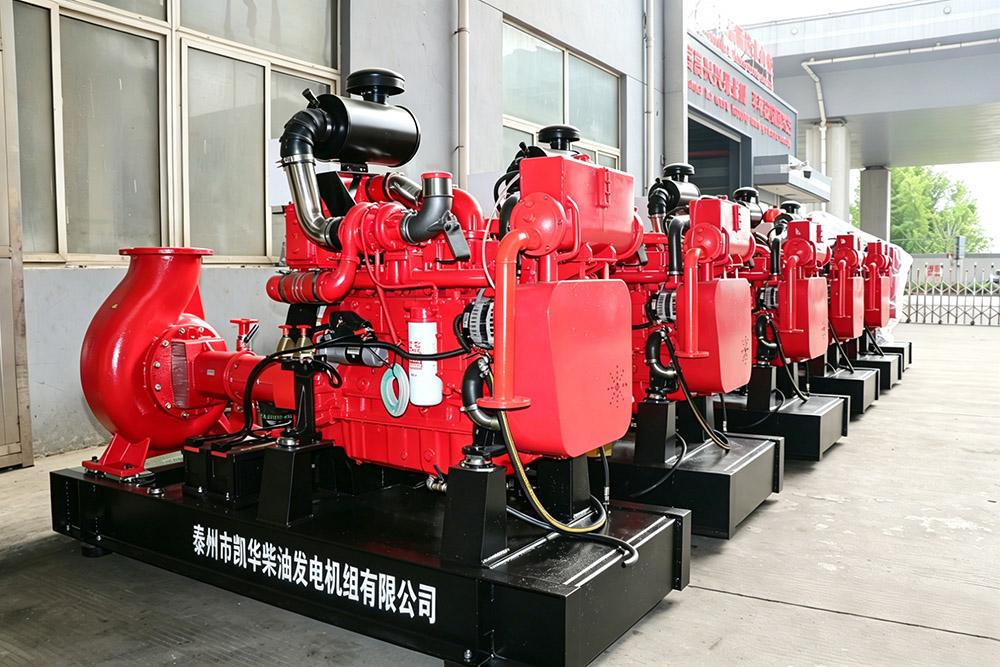
A water pump generator set combines a pump and a generator into a single, practical unit that can move water while producing electricity. These machines often serve remote construction sites, farms, or emergency flood response teams where grid power is missing or unreliable. Instead of hauling separate engines for pumping and lighting, crews rely on one compact skid or trailer-mounted system. The pump side handles dewatering, irrigation, or fire suppression, while the generator keeps tools, lights, or small appliances running. Common setups use diesel engines for their endurance and fuel availability, though petrol and even solar-hybrid versions are gaining ground in noise-sensitive or off-grid locations.
China has become a major source for these units, not just because of lower cost, but due to mature manufacturing clusters that refine designs year after year. Factories in provinces like Fujian and Zhejiang produce everything from small portable sets for home backup to industrial-grade models capable of pumping thousands of liters per minute. Many units now feature electric start, automatic voltage regulation, and protective frames that survive rough handling. Buyers across Africa, Southeast Asia, and South America often choose Chinese-made sets because spare parts are widely stocked and local mechanics are familiar with the engine platforms. This practicality, paired with consistent technical improvements, keeps the equipment relevant for communities building out their water and power infrastructure bit by bit.
Key Applications Where These Units Shine
Precision manufacturing environments rely heavily on these units for maintaining tight thermal stability during delicate machining processes. Without consistent temperature control, even micron-level expansions in tooling can scrap high-value aerospace or medical components. The real magic shows up in multi-axis CNC operations where coolant temperatures must mirror ambient conditions exactly, preventing condensation while keeping thermal drift below 0.5°C across 12-hour shifts.
Laboratory and research facilities present a completely different challenge set, where these units protect sensitive analytical instruments from ambient fluctuations. Mass spectrometers, electron microscopes, and laser interferometers all demand cooling circuits that don't introduce vibration or pressure pulsations. One often-overlooked application is in laser diode arrays for spectroscopy—here, precise temperature control directly translates to wavelength stability, making the difference between publishable data and weeks of frustrating baseline drift.
What Makes Chinese-Made Pump Generators Stand Out
The resilience baked into Chinese pump generators often catches first-time buyers off guard. These aren’t simply copies of Western designs—they’re built around a deep understanding of unstable grids, remote worksites, and extreme weather that many export markets now face. You’ll find sealed bearings that laugh off dust storms, voltage regulation that handles sudden load drops without a stutter, and frames engineered to survive transport over unpaved roads. It’s practical toughness that comes from decades of solving domestic infrastructure challenges, now quietly embedded in every export unit.
What truly sets them apart isn’t a single feature but a manufacturing philosophy that blends rapid iteration with brutal field feedback. A pump generator tested in the humidity of Guangzhou’s river deltas gets refined six times before it ever reaches a European retailer, simply because the domestic market demands perfection at a price point. This constant evolution means you’re getting a product where the cooling fins have been reshaped for better heat dissipation, the carburetor tuned for varied fuel qualities, and the pump seals upgraded to handle debris—all improvements driven by millions of hours of real-world use, not just lab simulations.
The supply chain advantage runs deeper than just cost savings. Specialized industrial clusters, like those in Fujian and Zhejiang, allow a degree of component customization that larger multinationals struggle to match. Need a pump generator with a specific head lift and flow rate that handles saline water? A mid-sized factory can often re-engineer the impeller and shaft seals in a matter of weeks, drawing on a nearby ecosystem of foundries and motor winders. It’s this fusion of accessibility, adaptability, and hard-earned engineering intuition that keeps Chinese-made units in such high demand across agricultural, construction, and emergency relief sectors worldwide.
Choosing the Right Set for Your Specific Needs
When faced with a sea of options, the first step is to honestly assess your daily routines. Do you need something compact for quick tasks, or a comprehensive collection that handles everything from intricate details to heavy-duty work? Think about the surfaces and materials you most often encounter, as a set that’s perfect for one environment might struggle in another.
Pay attention to the balance between piece count and versatility. A larger set isn’t automatically better if half the items remain untouched in a drawer. Instead, focus on sets that group complementary tools together, allowing each piece to earn its place in your workflow. This keeps your workspace uncluttered and your mind focused on the task at hand.
Finally, don’t overlook the feel in your hand and the reputation of the maker. Ergonomics matter just as much as specifications, especially during extended use. Look for sets where the construction quality speaks for itself—smooth joints, balanced weight, and materials chosen to last. A well-made set not only performs better but also makes the entire process more enjoyable.
Installation Best Practices for Long-Term Performance
Getting the placement right from the start pays off in ways you’ll notice years later. Surface preparation often gets rushed, but skipping it invites uneven wear. Clean the base thoroughly, removing debris and old residue that could interfere with adhesion. Check for levelness with a straightedge across multiple directions—minor slopes can become major headaches once everything is in place. A dry fit session before you commit any permanent steps lets you spot alignment issues while adjustments are still painless.
Fasteners matter more than they seem at first glance. Using mismatched materials can trigger galvanic corrosion that quietly eats away at metal components over time. Stick with fasteners rated for the environment, and don’t overtighten—stripped threads or crushed gaskets shorten lifespan dramatically. Apply sealants or anti-seize compounds where needed, but resist the urge to coat everything; too much goop can actually trap moisture against surfaces.
Think about expansion and contraction from day one. Materials breathe with temperature swings, and if you box them in too tightly, cracks and warping will appear long before the warranty runs out. Leave calculated gaps at joints and transitions, even if they look odd initially. Protect edges and penetrations with flexible barriers that move with the structure instead of fighting it. A little foresight here saves a lot of catch-up maintenance down the road.
Simple Maintenance Routines to Maximize Lifespan
A little consistent care goes a long way in extending the life of almost anything you own. Start with the basics that are often overlooked, like checking and cleaning filters on appliances. Whether it’s your vacuum cleaner, air conditioner, or dryer, a clogged filter forces the motor to work harder, leading to premature wear. Make it a habit to inspect these monthly and you'll notice not just a longer lifespan but also improved performance.
Moving parts crave lubrication, and that’s where a simple schedule can save you from costly repairs. For garage doors, hinges, and even exercise equipment, a few drops of the right lubricant every few months prevent grinding and stress on components. Don’t forget to tighten any loose screws or bolts you spot during these checks—it’s surprising how a tiny rattle can turn into a major failure if ignored long enough.
Finally, pay attention to the environment your items live in. Excessive heat, moisture, and direct sunlight are silent killers for electronics, furniture, and tools. Keep things clean and stored in stable conditions, and you’ll avoid the deterioration that creeps up when you least expect it. These aren’t flashy routines, but they form the foundation of reliability that high-quality items are built to deliver.
FAQ
A water pump generator set combines a pump and an electricity generator into one integrated unit, typically driven by a diesel or gasoline engine. The engine spins an alternator to produce power, while simultaneously driving the pump to move water. This dual functionality makes it ideal for remote locations where you need both water transfer and backup electricity, such as farms or construction sites, without relying on separate machines.
Chinese manufacturers have built a strong reputation for delivering reliable machines at competitive prices, thanks to mature supply chains and mass production capabilities. You get a solid mix of durable components, easy access to spare parts, and customization options—many factories can tweak designs to meet specific voltage, flow rate, or portability requirements, which big-name brands often won't do for smaller orders.
Start with the basics: match the pump's flow rate and head to your water-moving needs, and the generator's output to the devices you'll power. Look beyond specs—pay attention to frame durability, engine brand (a well-known diesel like Changchai or Weichai adds peace of mind), and practical features like low-oil shutdown, weatherproof enclosures, and lifting hooks. If you need to move it often, prioritize compact designs with sturdy wheels.
Treat it like any hardworking engine: change the oil and filters on schedule, keep the air intake clean, and don't ignore the coolant. For the pump side, flush it after use in dirty water and check seals regularly. Surprising tip: run the generator under at least half load periodically—light load or idling can cause carbon buildup. Store it out of direct sun and rain, and if you're not using it for a month, drain the fuel to avoid gumming up the carburetor or injectors.
They shine in off-grid or emergency scenarios. On farms, they handle irrigation and livestock watering while powering electric fences or lights. Construction crews rely on them for dewatering excavations and running tools like concrete mixers. Municipalities use them for flood control, and they're a staple in disaster relief—able to pump out floodwaters and keep communication equipment charged when the grid is down.
Efficiency has jumped forward with electronic fuel injection on diesel engines, which cuts fuel use and starts easier in cold weather. Silent-type enclosures are no longer an afterthought—modern designs drastically lower noise for residential or hospital use. Smart control panels now let you monitor voltage, runtime, and fault codes remotely via your phone, saving you from walking to a muddy shed at 2 a.m.
Always set it on a level, vibration-absorbing base, and leave clearance for ventilation—heat soak is a silent killer. For stationary setups, proper grounding isn't optional; a cheap copper rod driven into the soil prevents shocks. Size your cables correctly for the distance from the unit to your load—I've seen melted wires from people using undersized extension cords. And don't forget a rain canopy if it's outdoors; water in the electronics is a fast way to a dead unit.
Skip comparing just the price tag. Factor in fuel consumption over 1,000 hours of use, how often you'll need to overhaul the engine, and part availability down the road. A slightly more expensive unit with a reliable engine and local dealer support often costs less to own over five years than a bargain unit that's hard to fix. Also, consider versatility—a set that can switch between clean and dirty water, or between centrifugal and diaphragm modes, might replace two separate machines.
Conclusion
China's water pump generator sets combine a pump and generator into a single, cohesive unit, delivering dependable power and water movement where grid electricity is unavailable or unreliable. These machines excel in irrigation, flood control, emergency drainage, and remote construction projects, providing a lifeline when conventional infrastructure falls short. What truly distinguishes Chinese-made units is their blend of affordability and robust engineering—manufacturers have honed production processes to deliver heavy-duty performance without the premium price tag, often incorporating durable diesel engines and corrosion-resistant components suited for harsh environments.
Selecting the right set hinges on flow rate, head pressure, and fuel efficiency, and matching these to your site conditions prevents costly over-specification. Proper installation goes beyond simply placing it on level ground; it requires secure anchoring, correct alignment, and adequate ventilation to avoid overheating and vibration damage. Once operational, a steady routine of checking oil levels, inspecting seals, and cleaning filters will significantly prolong service life. Sticking to these simple habits keeps the generator humming through seasons of hard work, turning it into a long-term asset.
Contact Us
Contact Person: Ms. Lu
Email: [email protected]
Tel/WhatsApp: 8618917899306
Website: https://www.hichaipower.com